Black Skinned Beauties!:QUEEN MOTHERS OF ALL BEAUTY!

April 14, 2008 by

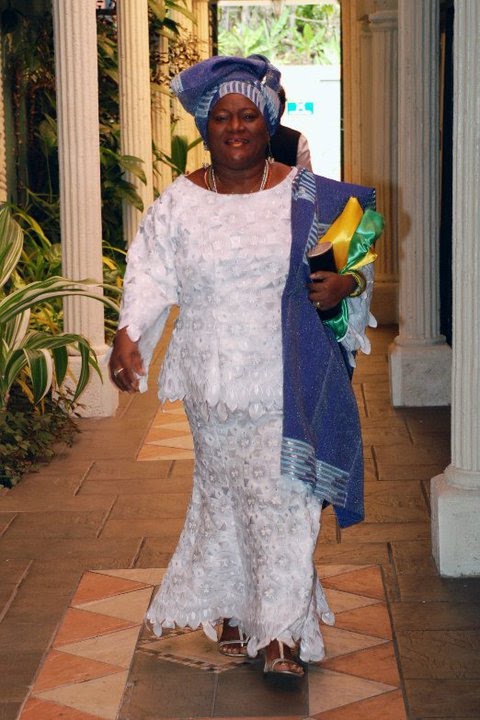
OYINKANSOLA-OMO DUDU OLEWA!

OMOLARA

EBERE-A IGBO BLACK SKINNED BEAUTY!

DOLAPO-A BLACK SKINNED BEAUTY FROM YORUBALAND,NIGERIA!

BLACK AND VERY BEAUTIFUL CHINONYE-EZIGBO NWUNYE(A GOOD WIFE IN IGBO LANGUAGE)-NNE UCHE NA CHIKA(MOTHER OF...)

BLACK BEAUTY MEETS BLACK BEAUTY FOR REAL!WYCLEAF AND OUR BLACK SKINNED BEAUTY VENUS WILLIAMS-THE MOST FAMOUS BLACK SKINNED BEAUTY IN THE WORLD!-I PRAY FOR YOU A HANDSOME BLACK HUSBAND LIKE THIS FOR YOU VENUS!

VENUS WILLIAMS-A TRUE BLACK SKINNED BEAUTY WHO LOOKS EVEN MORE BEAUTIFUL IN AFRICAN BRAIDS!

THE MOST FAMOUS BLACK SKINNED BEAUTY IN THE WORLD!

8 YEAR OLD BLACK SKINNED BEAUTY WENDY KASUMU WINS"LITTLE MISS MODEL 2007 "WORLD CONTEST IN TURKEY! BLACK TRULY IS BEAUTIFUL!

BLACK SKINNED BEAUTY SALIS RE has a blog-sisterlockswithstyle.blogspot.com

BLACK SKINNED BEAUTY SALIS RE has a blog-sisterlockswithstyle.blogspot.com

TALK ABOUT BLACK BEAUTY MEETS BLACK BEAUTY! THE PERFECT BLACK COUPLE! CLAUDINETTE ,A BLACK SKINNED BEAUTY GOT HER A FINE BLACK SKINNED HUSBAND WYCLEF JEAN WHO LOVES HER BEAUTIFUL BLACK SKIN! AND YOU WILL TOO!

TALK ABOUT BLACK BEAUTY MEETS BLACK BEAUTY! THE PERFECT BLACK COUPLE! CLAUDINETTE ,A BLACK SKINNED BEAUTY GOT HER A FINE BLACK SKINNED HUSBAND WYCLEF JEAN WHO LOVES HER BEAUTIFUL BLACK SKIN! AND YOU WILL TOO!

PAULETTA WASHINGTON'S BLACK SKINNED BEAUTY GOT HER DENZEL WASHINGTON!

PAULETTA WASHINGTON'S BLACK SKINNED BEAUTY GOT HER DENZEL WASHINGTON!

PAULETTA WASHINGTON,BLACK SKINNED BEAUTY GOT HER A FINE BLACK MAN FOR A HUSBAND! YOU CAN TOO!

PAULETTA WASHINGTON,BLACK SKINNED BEAUTY GOT HER A FINE BLACK MAN FOR A HUSBAND! YOU CAN TOO!

'SUSAN' -PHOTOGRAPHED BY ANDREA DAQUINO

'SUSAN' -PHOTOGRAPHED BY ANDREA DAQUINO

4547_1154604101852_1130188385_456483_5264236_nBLACK_LADIESskin_beauty
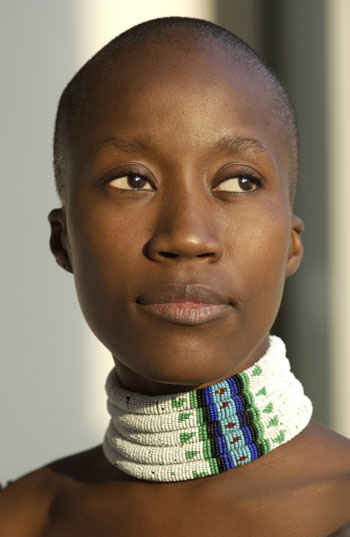
ROKIA TRAORE,BLACK SKINNED BEAUTY MALIAN SINGER

ROKIA TRAORE,BLACK SKINNED BEAUTY MALIAN SINGER

0black%20afater%20black%20and%20whiteUntitled-16_fullBlackBeautyPowdermodify
OUR FIRST BLACK FIRST LADY-BLACK SKINNED BEAUTY MICHELLE OBAMA ON NEWSWEEK DEC.2008 COVER

OUR FIRST BLACK FIRST LADY-BLACK SKINNED BEAUTY MICHELLE OBAMA ON NEWSWEEK DEC.2008 COVER

n1214538598_30131763_4724524
TOSYN BUKNOR-WITER,BLOGGER,SINGER,TV PERSONALITY IN NIGERIA,BLACK SKINNED BEAUTY SUPREME!

TOSYN BUKNOR-WITER,BLOGGER,SINGER,TV PERSONALITY IN NIGERIA,BLACK SKINNED BEAUTY SUPREME!

picsrv_fashionweekdaily_com2picsrv_fashionweekdaily_com1picsrv_fashionweekdaily_com
A TRULY BLACK SKINNED BEAUTY DOLL AT LAST!

A TRULY BLACK SKINNED BEAUTY DOLL AT LAST!

2714463807_8ee728b7402920836235_3652546d3c_m2709775367_aa67edcb5f2710587504_2fb85da5dc_m2830091552_aff9a75af8_m2842519513_03c140d4a1_m3078187170_fddc9cdb6d
TANZANIAN BLACK BEAUTY

TANZANIAN BLACK BEAUTY

1488520670_fddc84f949_m3359893035_8c2a566b46_m1717458575_ec54d42dc1_m825329468_a584e8f761_m2390625354_0734f91e32_m2125258116_6d1fee0b23_m3035246240_385897208c_m1448821624_4a64f5551a
CHARISMALLOVER/OLUWABUNMI

CHARISMALLOVER/OLUWABUNMI

2352456926_6026d6aa1d
ETHIOPIAN YOUNG BEAUTY

ETHIOPIAN YOUNG BEAUTY

ETHIOPIAN BEAUTY

ETHIOPIAN BEAUTY

2658_1037169729562_1235040867_30097676_6862519_n
OYINKANSOLA,OMO DUDU OLEWA YORUBA NI america

OYINKANSOLA,OMO DUDU OLEWA YORUBA NI america

untitledgeorgie2oluchikinee_dioufnina_simone1alek_wek2259-500w
TANZANIA

TANZANIA

A JAMAICAN BLACK SKINNED BEAUTY BASED IN EUROPE!

A JAMAICAN BLACK SKINNED BEAUTY BASED IN EUROPE!

ALEK AND THE BLACK AND BEAUTIFUL CHILD ABOUK,ALSO FROM SUDAN(AFRICA)

ALEK AND THE BLACK AND BEAUTIFUL CHILD ABOUK,ALSO FROM SUDAN(AFRICA)

THE GREAT BLACK BEAUTY SISTER NINA SIMONE

THE GREAT BLACK BEAUTY SISTER NINA SIMONE

00050m1Qatar Tennis WTA Championships
OMO DUDU OLEWA,BLACK BEAUTY OYINDAMOLA(in amerikkka)

OMO DUDU OLEWA,BLACK BEAUTY OYINDAMOLA(in amerikkka)


340xQatar Tennis WTA Championships

2360668hetzspgtow_ph

Miss Africans

Venus and Serena Williams

00390m

mY FAVORITE MODEL ALEX WEK

braids

3-8

00050m

Photobucket

jacob2
asha_mandela_hair1
147678764_486e279966

51dtccog4tl__ss500_

serena williams

Venus and Serena Williams

Venus WIlliams

Venus and Serena Williams

Venus Williams
jennifer-hudson-spotlight00_jpg_w300h3002
eboka41

93acf5be2485b43a
_wsb_374x342_africanwoman

04e4237487ce30b81
18523-9black-women-in-white-clothing-pose-for-tourists-havana-cuba-posters

2952672320038262601kfirrw_th

july-08-ymib-gorgeous-black-woman1

may-08-ymib-atong1

venus-williams-3

_41987898_02nokia_afp

00120m

makeba_033_sm

Photobucket

(A picture of charismaallover with Egyptian headdress)

serena williams

SERENA IN HER NATURAL BRAIDS-A TRUE BLACK SKINNED BEAUTY! HOPE YOU GO BACK TO NATURAL HAIR STYLES AND STOP THIS IMITATION WHITE GIRL LOOK YOU AND VENUS ARE NOW INTO!

AS you can see, I’m a beautiful girl because I’m dark in complexion. I like to look nice and beautiful always. My mum always encourages me every time I appear clean, that, I’m black and I’m shining. I sweep my room, lay my bed and clean our sitting room always. I learn how to be clean from my mum because she dresses well. She is my role model when it comes to looking good. - Iremide Oyelaja, 10-year-old, Pry 4. (THIS NIGERIAN MOTHER TAUGHT HER DAUGHTER TO BE PROUD OF HER BLACK BEAUTIFUL SKIN COLOR UNLIKE MICHAEL JACKSON'S FATHER WHO TOLD HIM HIS BLACK FEATURES WERE UGLY! TEACH YOUR BLACK CHILDREN TO LOVE THEIR BLACK FEATURES-NOSE,MOUTH,BLACK SKINNED BEAUTY!(IBADAN,NIGERIA)

AS you can see, I’m a beautiful girl because I’m dark in complexion. I like to look nice and beautiful always. My mum always encourages me every time I appear clean, that, I’m black and I’m shining. I sweep my room, lay my bed and clean our sitting room always. I learn how to be clean from my mum because she dresses well. She is my role model when it comes to looking good. - Iremide Oyelaja, 10-year-old, Pry 4. (THIS NIGERIAN MOTHER TAUGHT HER DAUGHTER TO BE PROUD OF HER BLACK BEAUTIFUL SKIN COLOR UNLIKE MICHAEL JACKSON'S FATHER WHO TOLD HIM HIS BLACK FEATURES WERE UGLY! TEACH YOUR BLACK CHILDREN TO LOVE THEIR BLACK FEATURES-NOSE,MOUTH,BLACK SKINNED BEAUTY!(IBADAN,NIGERIA)

THIS BEAUTIFUL BLACK SKINNED SISTER IS FIGHTING BLEACHING BOTH IN UK AND NIGERIA!

September 6, 2008 by

BLACK SKINNED BEAUTY TINU OGINNI IS FIGHTING BLEACHING IN U.K. AND NIGERIA!

BLACK SKINNED BEAUTY TINU OGINNI IS FIGHTING BLEACHING IN U.K. AND NIGERIA!

dapada-say-no-to-bleaching1

BLACK SKINNED BEAUTY VENUS WILLIAMS WINS AT WTA TENNIS ,NOV. 2008

November 14, 2008 by

Qatar Tennis WTA Championships

L.A. Times Archives

OBAMA-THE BLACKEST,COOLEST BROTHER-NOW “COOL BROTHER IN CHIEF”-FROM THEPOLITICALCARNIVAL.BLOGSPOT.COM

November 22, 2008 by

FROM thepoliticalcarnival.blogspot.com

barackebony

Saturday, November 15, 2008
Cool Brother In Chief

Seems we weren’t the only ones who liked this photo of the President Elect. On the newstands January ’09. h/t Greg.

Posted by Paddy at 10:24 AM
Labels: 2008 elections, Barack Obama, is it hot in here or is it me?, president elect
14 comments:
SmokeFreeZone said…
hummm… reminds me of Will Smith (“Men In Black”)!!

November 15, 2008 10:36 AM
Jonas said…
Hehe :) Sometimes he seems so unreal. I’m happy for Americans :)

November 15, 2008 10:37 AM
Bucky said…
All he needs now is some theme music.

November 15, 2008 10:45 AM
Ellen said…
Bucky any idea which music you’d use? Down thread am I the only one who is going to be waiting anxiously for the weekly youTube address?

November 15, 2008 11:05 AM
Clancy said…
Something by Barry White? Too old school?

November 15, 2008 11:13 AM
Bucky said…
The theme from Shaft keeps playing in my head when I see this pic. I wish I could make it stop.

November 15, 2008 11:14 AM
Paddy said…
Ellen, I put the weekly YouTube address up first thing, about 4 posts down.

November 15, 2008 11:20 AM
chris said…
Ha, Bucky! when you said “theme music” I immediately thought of the theme from Shaft! Great minds… :)

November 15, 2008 11:36 AM
wotching said…
Hot Diggity Dawg – he is easy on the eyes all right.

Ok here’s my contribution, but i’m finding it mighty hard to choose just one theme song so you may hear from me later down the road!!

Bill Withers – “Use Me.”

November 15, 2008 12:06 PM
Cheryl said…
Yum. I love my President. Crazy, Sexy, Cool. Bond, James Bond.

November 15, 2008 1:42 PM
Anonymous said…
Ok…this is a totally random thought, but think of this. Most models have to take countless shots to get something that looks anywhere near as good as this. This was just a nano-second in Barack’s life as he campaigns to save the world. Looks, brains, fitness, humor, coolness AND power. Damn, he is bad!

November 15, 2008 1:58 PM
Anonymous said…
Yea, one cool dude, and President, wow! Not only that, as they say, has the intellectual curosity. Give him time to settle in people, it is very difficult to go against the grain and make changes, but for sure he is trying and will try hard, so many people are against him. He will make a great President.

November 15, 2008 8:42 PM
Anonymous said…
Yeah, he is cool. His name is Obama, Barack Obama.

November 16, 2008 6:47 PM
mj said…
bucky said…
The theme from Shaft keeps playing in my head when I see this pic. I wish I could make it stop.

“Who is the man

who would risk his life for Ameri-cans

BARACK!

daaaaamn right!”

November 19, 2008 12:28 AM

OBAMA FAMILY ON JET MAGAZINE COVER-FROM BLACKNEWS.COM

November 24, 2008 by

from blacknews.com

Obama Family On Jet Magazine Cover
Layout 1

After winning the election, Obama and the first Black family of the white house is featured on the cover of Jet Magazine.
Source: Bossip

OBAMA’S VICTORY MADE HEADLINES EVEN IN MISSISSIPPI!-NEWSPAPER FRONT PAGES FROM ALL OVER amerikkka!

November 29, 2008 by

il_cd1
CHICAGO DEFENDER (BLACK NEWSPAPER),CHICAGO,ILLINOIS

hi_ha
al_ht1
THE HUNTSVILLE TIMES, HUNTSVILLE,ALABAMA

id_is1
IDAHO STATESMAN, BOISE IDAHO

il_cst

il_re
REDEYE,CHICAGO,ILLINOIS

il_ct
CHICAGO TRIBUNE,CHICAGO,ILLINOIS

il_ss
SOUTHTOWN STAR,TINELEY PARK ,ILLINOIS

ks_ljw
LAWRENCE JOURNAL WORLD, LAWRENCE, KANSAS (WHERE I LIVED MY ELEMENTARY SCHOOL DAYS AND DECIDED TO COME BACK TO AFRICA!)

la_tt
THE TIMES,SHREVEPORT,LOUISIANA

mi_dfp
DETROIT FREE PRESS,(MICHIGAN)

ms_cl
THE CLARION-LEDGER, JACKSON,MISSISSIPPI!

ms_nmdj
NORTHEAST MISSISSIPPI DAILY JOURNAL,TUPELO,MISSISSIPPI(TALK ABOUT MISSISSIPPI THIS IS REAL MISSISSIPPI!)

nj_sl
THE STAR-LEDGER,NEWARK,NEW JERSEY

ca_sc
THE SALINAS CALIFORNIAN

ca_sfc
SAN FRANCISCO CHRONICLE(CALIFORNIA)

ca_pd
THE PRESS DEMOCRAT,SANTA ROSA CALIFORNIA

co_rmn
ROCKY MOUNTAIN NEWS,DENVER,COLORADO

ct_hc
HARTFORD COURANT,(CONNECTICUT)

dc_te
THE EXAMINER, WASHINGTON D.C.

fl_ss
SUN SENTINEL, FT.LAUDERDALE,FLORIDA

fl_os
ORLANDO SENTINEL,(FLORIDA)

fl_tbt
TAMPA BAY TIMES,ST.PETERSBURG,FLORIDA

ga_ajc
ATLANTA CONSTITUTION,ATLANTA, GEORGIA

ga_tt
THE TELEGRAPH, MACON,GEORGIA

OBAMA!-BLACK REACTIONS TO HIS VICTORY THAT NIGHT AT GRANT PARK,CHICAGO AND (LATER) BEYOND!

April 21, 2009 by

SISTER VERTIE HOODGE,74 YEARS,HOUSTON,TEXAS CRYING WATCHING THE INAUGURATION ON JAN.20,2009

SISTER VERTIE HOODGE,74 YEARS,HOUSTON,TEXAS CRYING WATCHING THE INAUGURATION ON JAN.20,2009

WATCHING THE INAUGURATION CEREMONY AT KIBERA,NAIROBI KENYA,JAN.20,2009

WATCHING THE INAUGURATION CEREMONY AT KIBERA,NAIROBI KENYA,JAN.20,2009

image4738517
MOHAMMED SAHER,BLACKamerikkkan MEMBER OF IRAQ'S BLACK COMMUNITY IN THE SLUTHERN CITY OF BASRA DANCES TO AL-BASRA BAND MUSIC AS THEY CELEBRATE OBAMA'S VICTORY NOV. 5,2008 IN IRAQ!

MOHAMMED SAHER,BLACKamerikkkan MEMBER OF IRAQ'S BLACK COMMUNITY IN THE SLUTHERN CITY OF BASRA DANCES TO AL-BASRA BAND MUSIC AS THEY CELEBRATE OBAMA'S VICTORY NOV. 5,2008 IN IRAQ!

GRANT PARK AWAITING RESULTS ELECTION NIGHT

GRANT PARK AWAITING RESULTS ELECTION NIGHT

CHRISTINE KING FARRIS,SISTER OF MARTIN LUTHER KING JR. AND GRADDAUGHTER FARRIS WATKINS CRY IT OUT AFTER OBAMA'S VICTORY IN ATLANTA

CHRISTINE KING FARRIS,SISTER OF MARTIN LUTHER KING JR. AND GRADDAUGHTER FARRIS WATKINS CRY IT OUT AFTER OBAMA'S VICTORY IN ATLANTA

4319779924319575743195417143194819143193569431982222
LET THE TEARS CLEANSE AWAY THE PAIN OF RACISM!

LET THE TEARS CLEANSE AWAY THE PAIN OF RACISM!

THERE NOW! GOD WILL WIPE AWAY THAT WHITE PAIN OF BLACK SUFFERING IN amerikkka!

THERE NOW! GOD WILL WIPE AWAY THAT WHITE PAIN OF BLACK SUFFERING IN amerikkka!

GO AHEAD AND CRY OUT THE PAIN OF BLACKS SUFFERING IN amerikkka!

GO AHEAD AND CRY OUT THE PAIN OF BLACKS SUFFERING IN amerikkka!

BROTHER JESSE JACKSON CRY OUT ALL THE PAIN AND HURT BLACK PEOPLE HAVE SUFFERED INamerikkka! YOU RAN SO THAT OBAMA COULD WIN!

BROTHER JESSE JACKSON CRY OUT ALL THE PAIN AND HURT BLACK PEOPLE HAVE SUFFERED INamerikkka! YOU RAN SO THAT OBAMA COULD WIN!

CRY FOR ALL THE RACISM WE HAVE SUFFERED IN amerikkka!

CRY FOR ALL THE RACISM WE HAVE SUFFERED IN amerikkka!

LET THOSE TEARS FLOW FOR ALL THE LYNCHINGS BLACK MEN HAVE SUFFERED IN amerikkka!

LET THOSE TEARS FLOW FOR ALL THE LYNCHINGS BLACK MEN HAVE SUFFERED IN amerikkka!

432008061
CRY OUT ALL THOSE TEARS FROM SLAVERY!

CRY OUT ALL THOSE TEARS FROM SLAVERY!

43200789432009243
WAITING FOR OBAMA'S WIN IN CHI-TOWN ON THAT GREAT DAY!

WAITING FOR OBAMA'S WIN IN CHI-TOWN ON THAT GREAT DAY!

HUSTLING THOSE OBAMA SHIRTS ON ELECTION DAY CHITOWN!

HUSTLING THOSE OBAMA SHIRTS ON ELECTION DAY CHITOWN!

WAITING FOR OBAMA'S VICTORY!

WAITING FOR OBAMA'S VICTORY!

BLACK BROTHER HUSTLING OBAMA SHIRTS!

BLACK BROTHER HUSTLING OBAMA SHIRTS!

Gabourey SIDIBE-OUR BLACK SKINNED BEAUTY IS. HONOURED BY ESSENCE MAGAZINE !

January 26, 2012 by

http://www.marketwatch.com/m/story/7ae9076a-5d4e-4c72-8873-f4c7a307ca7c?pageNumber=1&allPages=True. . K erry Washington, Paula Patton, Shonda Rhimes, Octavia Spencer, & Pam Grier to be Honored at the 5th Annual Essence Black Women in Hollywood Luncheon

–Essence Celebrates African-American Women Who Shine on the Big and Small Screen; Spotlights Black Women Writers, Directors, and Producers; and Addresses Re-Defining Roles of Black Women in Front of the Camera and Behind-the-Scenes –Essence.com To Exclusively Live Stream From The Red Carpet, Bringing Stars, Style & Sizzle Up Close! –Essence Annual Hollywood Issue Hits Newsstands February 12th

NEW YORK, Jan. 26, 2012 /PRNewswire via COMTEX/ — Today, ESSENCE is pleased to announce the 5th annual ESSENCE Black Women in Hollywood Luncheon honoring the industry’s most exciting African-American talent–both in front of the camera and behind-the-scenes in Hollywood. Taking place on February 23, 2012 at the Beverly Hills Hotel, ESSENCE will celebrate five extraordinary women who have left an indelible impression with their work within the film and television industries: Kerry Washington (Vanguard Award), Octavia Spencer (Breakthrough Performance), Pam Grier (Legend Award), Paula Patton (Shining Star Award) and Shonda Rhimes (Visionary Award presented by Lincoln). This star-studded event commemorates ESSENCE magazine’s annual Hollywood issue and in honor of the fifth anniversary, Essence.com is giving fans exclusive access to all the red-carpet celebrity style, action and interviews via live stream from 11:30am to 12:30pm PST and re-airing that evening at 9:00pm EST.

“Black women actors, writers, directors and producers still lack diverse opportunities in Hollywood and, unfortunately, are often overlooked during awards season,” commented ESSENCE Editor-in-Chief Constance White. “The ESSENCE Black Women in Hollywood Luncheon exists to provide a fitting tribute to the brilliant talent and accomplishments of African-American trailblazers like Kerry, Pam, Paula, Octavia and Shonda and celebrate their collective work as an inspiration for generations to come.”

Since its commencement in 2008, ESSENCE Black Women in Hollywood has honored Halle Berry, Jada Pinkett-Smith, Angela Bassett, Queen Latifah, Taraji P. Henson, Viola Davis, Jennifer Hudson, Zoe Saldana, Mary J. Blige, Gabourey Sidibe, Jurnee Smollett, Ruby Dee, Diahann Carroll, Cicely Tyson, Loretta Devine, Gina Prince-Bythewood, and Suzanne de Passe. As one of the most highly anticipated events during Oscar week, this A-List event has hosted some of Hollywood’s elite, including Tom Cruise, Will Smith, Amy Adams, Samuel L. Jackson, Forest Whitaker, James Cameron, and Laurence Fishburne, among many others.

Stay tuned to Essence.com for highlights and behind-the-scenes access to ESSENCE Black Women in Hollywood. Follow us on Twitter @essenceonline #EssenceBWIH. Join in the discussion on Facebook.

Sponsors for the ESSENCE Black Women in Hollywood Luncheon include presenting sponsor Lincoln, as well as partner sponsors ING, L’Oreal Paris and Smartwater.

About the ESSENCE Black Women in Hollywood honorees:

Kerry Washington: As the recipient of the Vanguard Award, Kerry Washington has built an impressive list of credits starring in award winning, critically acclaimed films such as The Last King of Scotland opposite Oscar Award winner Forest Whitaker and Ray for which she won “Outstanding Actress in a Motion Picture” at the NAACP Image Awards. In 2010, Washington made her Broadway debut in David Mamet’s provocative hit Race with James Spader and David Alan Grier. Washington appeared with Matt Damon, Josh Brolin and Sean Penn in Howard Zinn’s documentary The People Speak. In addition to earning praise for her accomplishments within her acting career, Washington was appointed by President Barack Obama to the President’s Committee on the Arts and Humanities in November of 2009. She will next be seen in We the Peeples with Craig Robinson, 1000 Words with Eddie Murphy, and The Details with Toby Maguire. Kerry is set to star

Gabourey SIDIBE-OUR BLACK SKINNED BEAUTY IS. HONOURED BY ESSENCE MAGAZINE !

January 26, 2012 by

“NIGERIAN STRIKE – THE GOOD,BAD AND THE UGLY” -BY AN ABROAD BASED NIGERIAN VISITING DURING THE STRIKE-FROM NNENNAORG.BLOGSPOT.COM

January 26, 2012 by

Monday, January 16, 2012
The Nigerian Strike: the Good, the Bad and the Ugly

I came back from Nigeria yesterday evening, after some 8 days of stay. I arrived on Saturday the 7th.. in the heat of “there may be a strike next week” talk. And strike there was.. the whole week. By Saturday 14th, someone had named it “the mother of all strikes” in Nigeria. He is correct.

For me, the protests were on three levels. First, I was a complete stranger to the whole of it. Since I dont live in Nigeria.. and fuel costs 1.5$ in my residence country for a liter..it was interesting for me to watch the outcry. On a second level, as a Policy Adviser, I was listening a lot: about what my relatives were saying. I watched a lot of news on TV, followed the #OccupyNigeria and #FuelSubsidy tags on Twitter and tried to process all the public policy issues that were flowing through all of that. On a third level, when I had to hit the road from the Eastern part of the country to the Western part on the Thursday,despite expressed fears from my mother and close family members, then I became one of the actors.

From my end, here are a few of the things I saw as the good, the bad, and the ugly of the strike.

The Good:

The citizen mobilization. Oh yes! In Yinka’s article, Social media was hailed as a magnifying force of the protests. The photo shot by Sunday (which I borrowed for this post) also shows how huge certain crowds got. Since the Arab Spring, millions of Africans having been desiring, hoping, scratching for a similar occasion.. to out their issues with the powers that be. In Nigeria itself, the OCCUPYNIGERIA movement had started before the fuel subsidy saga. So it was not a surprise that that the citizen mobilization was huge.

Corruption to the fore: Everybody says there is corruption in Nigeria. I am not in the secret of the gods and cannot say what strategy the Nigerian President – Goodluck Jonathan – may have put in place alongside the fuel subsidy removal one, but for once, the big question of corruption in Nigeria became a national agenda. Government says it wants to tackle corruption by removing subsidy and citizens insist corruption needs to be tackled while subsidy is maintained.. which ever way.. the strike has made it clear.. everyone in Nigeria agrees that corruption is THE problem and needs to be confronted.

Rise of critical questions: I listened to radio and TV programmes during the entire strike. I read the tweets and web posts. I have been impressed by the number of critical questions raised during the strike period. What happened to the subsidy money from diesel? Is kerosine subsidized or not? How does government spending in fuel subsidy actually add up? What are the exact costs? Where does the spending go? Who makes decisions in key energy issues? What about earlier promises made by government on energy-related issues? What is the role of the Bretton-Woods institutions on this? When are the refineries getting back to work? What does it take for Nigeria to get them started? What real mechanisms is government putting in place to REALLY tackle corruption? How come government is quick to remove fuel subsidy when it is so slow in fighting Boko Haram (The Militant Islamic group). So many questions..

Mutual respect: In the history of Nigeria, I am not sure that such a strong-willed confrontation has happened. The way the government took the citizens by surprise.. and the way the citizens reacted with a resilience that took decision makers by surprise as well. At first, the citizens thought the government will back out entirely after 2/3 days of strike.. and the government also thought that citizens will back off after 2/3 days of protests. It is now comfortable to say that there is that healthy respect; in which the government respects the power of the citizens and the citizens become aware that the present government has a strong will. Now that everyone is aware that everyone is aware.. things may never be the same again.

The Bad

The loss in productivity: This is the huge loss. There are figures that are flying around about how much the government was losing in productivity for each day of the strike. But the loss is incalculable. The economic, yes. But the social, the political and the personal. Simply put: Almost everyone in Nigeria lost.

No clear way out of the corruption quagmire: Though the question has risen to the fore and the need to tackle corruption has become a national agenda, the strike does not seem to have paved a way for it. Will the Nigerian government put more emphasis on transparency and good governance? Not sure. Will individuals adopt a less corrupt behaviour? No signs.. The strike may have been the “River Niger” of an anti-corruption move, but the “pacific ocean” of corruption remains cool, calm and undisturbed. Like the novelist Ayi Kwei Armah says: “The Beautyful Ones are Not Yet Born”.

Issues with information: As in such cases, one thing was the strike, the other was the information management. It is not clear that the Nigerian government has put in place a strategic government information channel that takes into consideration the Web 2.0 era. Rumors had a field day. When I was setting off from Aba to Lagos, those in Aba had information that there was zero movement in Lagos and those in Lagos were under the impression that because Lagos was crippled for the major part, all parts of the country were. In truth, Aba and some other Eastern Nigeria cities were going about their businesses. Granted, banks were not open but transport was okay. In Lagos too, apart from the designated meeting areas, there was movement in town. If you add those to hackers who took the opportunity to hack key institutional sites.. the misinformation of both parties, and especially the international community was on “high level”.

Lack of proper citizen education: In many of the responses to the fuel subsidy removal, almost all pointed to one key factor: there was not enough public policy education of the Nigerian population. The education of the mass did not happen. Some claim consultation did not also happen. Those who could quickly educate themselves “saw the point” in what government was “trying to get at” but not everyone can educate him/herself.

The Ugly

Greed. I think it should be called by its name. Owners of fuel stations who had products delivered at the initial price were happy to sell the same at the new price. In Aba, stations sold PMS for 150 Naira!! Somewhere in Lagos, people had to beg to buy at 138 Naira. It is easy to point at the corruption of others.. but for the owners of the fuel stations.. mhmm! There was also the “Okada” bike riders who doubled their prices. The airlines who were collecting 100$ each for ticket changes. The women at the market.. greed had a field day

Extortion: I had to send out a tweet when my driver panicked. He got news that youths armed with clubs were breaking windshields of vehicles at Ijebu Ode junction of the Benin-Abeokuta express way. On arrival, the sight that met my eyes was a very worry one indeed. At least 1000 youths had mounted road blocks at every 20 meters on either side of the highway and were collecting cash from every single vehicle that drove by. My driver paid in at least 12 points for a 500 meters stretch of road. It was sickening!

Deaths: Labour may have called off the strike, but the fact still remains that people died during the strike. Some from one kind of violence or another, and others as collateral. Like my mother will say, “it is only after the race that we will calculate the distance”.

In years to come, Nigerians will look back to the second week of January 2012 and point at the many firsts..

I do hope that the good, the bad and the ugly of the week will serve us in a positive way.

For Nigeria, for Africa, for the world.
Posted by Nnenna Nwakanma at 6:54 PM
Email ThisBlogThis!Share to TwitterShare to Facebook
1 comments:

go_ada said…

You have made quite a good summary of it all. There have been lessons learnt. Very many, indeed.

Personally, I think the 1st big issue is TRUST. Do we trust that the government will do what they say they will do? Did the NLC really take cognisance of the peoples’ views or were they bought over? This strike thing and the way it has played out has become a recurring act for each government desiring a price increase in fuel: take it up, strike, bring it slightly lower! Was it subsidy removal or just increase of fuel price?

The second is SURVIVAL. How will the average Nigerian fare, considering that there is no salary increase, yet the fuel increase has a ripple effect on all areas of his/her life, increasing his cost of living by at least 40%? Before now, I use N3500 to fill my tank. Now it costs me N5000. The prices of everything in the market has gone up, even childrens’school fees! The only people who seem like they would not feel the pinch are the politicians, enjoying very fat allowances from the government (actually, the people’s) money.

The third issue is EMASCULATION. We were just told by the SSS & the Police IG (on Channels tv interview of 16th Jan) part of what constitutes treason. To my surprise, calling a president names is one of them. Military personnel with armoured tanks and guns on the streets forcefully stopping from engaging in a peaceful protest were said to be ‘maintaining the peace & security’ of the nation. Its rather ironic. It is infuriating and believe me, that’s putting it mildly. These were the same people who were invited to dance and cheer on those same streets to support and vote ing the mandate of this present government. It hurts if a person you place your hope in betrays that trust.

There are other issues. I believe though, that the above-listed three throws a man into a state of ‘retreat, ruminate, react’.

God help Nigeria
January 17, 2012 11:45 AM

Post a Comment
Older Post Home
Subscribe to: Post Comments (Atom)
Google+
Powered by Translate
@nnenna on Twitter

Is @Twentyfeet now sending daily summaries? I thought it used to be weekly! Mhm about 3 hours ago
What can you do when you have an 11-hour wait before your flight at MMA, Lagos, Nigeria. Without a computer, Internet. My brother is there about 3 hours ago
http://t.co/I043iiOi Technical tracks: LPI exam, LPI training; Internet Governance, FOSS Business Models, Localisation, Ethical Hacking, CMS about 3 hours ago
@Abocco Mhmm. We had that debate in this here country.. we did not get to a common conclusion. So some are using the ci225 and others not about 3 hours ago
Checking on #233moments as @Abocco suggested. Not much #vim there. Wish I could do some meetups when in Accra this weekend. But overbooked about 3 hours ago

Tweet this
Subscribe
Posts
Comments
eBible Search

Gadgets powered by Google

View Nnenna Nwakanma’s profile on LinkedIn

View my page on Africa ICT Network
Currency Converter by OANDA.com, The Currency Site.
SOME OF THE THINGS WE ARE INTO

Adventism
Consultancies on Information, Communications, Technology, and Events for Development
Dreamfish – Global Human Work Cooperative
Intellectual Property Justice
Internet Governance
Nigeria IT professionals
Open Standards
Open Web Foundation
The Africa Information Society Initiative
The African Civil Society on the Information Society
The Digital Solidarity Fund
The Free Software and Open Source Foundation for Africa
The Open Source Initiative
Yale Information Society Project

About Me
My Photo

Nnenna Nwakanma
I belong first to God, then to humanity. My goal is to be faithful to God and of benefit to humanity.

View my complete profile
Followers
Facebook Badge
Nnenna Nwakanma

Create Your Badge
NO COMMENTS
NO COMMENTS
MY LINKS

Linked in
My Africa ICT page
My delicious
My Development Gateway
My Diplo page
My Dopplr
My Facebook
My Open Source Trac Page
MY OSI Blog
My Peace page
My photos on flickr
My Plaxo
My Twitter
My Wikipedia
Naija IT Pros

Blog Archive

▼ 2012 (1)
▼ January (1)
The Nigerian Strike: the Good, the Bad and the Ugl…

► 2011 (17)

► 2010 (23)

► 2009 (8)

► 2008 (16)

Powered by Blogger.

WHITE/AMERIKKKA/IMF CONSPIRACY TO BREAK NIGERIA THRU FUEL SUBSIDY REMOVAL-NIGERIANS STAND UP AGAINST IT!- FROM TELL MAGAZINE,NIGERIA

January 20, 2012 by

NIGERIAN MOVIE STARS ADD THEIR PROTESTS TOO!


FROM TELL MAGAZINE,NIGERIA

Tackling the Subsidy Mess

Written by Adejuwon Soyinka

Protesters on the road in Abuja, the FCT Protesters on the road in Abuja, the FCT

More than the sudden total removal of subsidy on petrol, a combination of corruption, opulent lifestyle of political office holders and mismanagement of resources by successive governments appears to be the main reasons fuelling the people’s anger and the driving force of the nationwide strike

She appeared ruffled and desperate. Clutching her baby behind her as she searched through heaps of refuse, the woman simply identified as Mama Tola was totally oblivious of her environment. All attempts to stop her from further running her hands through the smelly rubbish fell on deaf ears. “I can’t stop searching for it. It is the food I had just prepared for my baby and I cannot afford to get her another one,” she said. Too poor to afford a food flask, the woman had packaged her child’s food in a black polythene bag, which a neighbour mistook for rubbish and threw in the trash can. By the time she came looking for the polythene bag, the can had been emptied into a waste disposal truck. But since the waste disposal truck was still within the neighbourhood, Mama Tola thought it expedient to retrieve her baby food from it.

Reminded that even if she were to retrieve the food, it would be unhygienic to give to her baby, the woman who ekes a living by sweeping houses within her Orile Agege, Lagos neighbourhood, was not bothered. “I can’t afford to prepare another food for her today again so I have to get this one or she will go hungry,” she explained. Mama Tola only stopped searching through the refuse when a neighbour offered her some money to make her baby another food.

She is not the only one faced with this kind of situation. Also in the same category with her is Emeka Anyaoso, an Imo State indigene, resident in the Ikeja area of Lagos. The father of four has been jobless for over three years after he was laid off at a tomato canning company in Lagos. Anyaoso was relieved of his duties when the company went under. Since then, he has had to struggle to feed his family. Towards the end of 2011, Anyaoso’s situation became so stringent that he had to send his son to a neighbour’s house to beg for food on Christmas day. That strategy is not his exclusive preserve. Every weekend, there are Nigerians who send their children to different party venues around their neighbourhood armed with big polythene bags. Their mission: Scavenge for leftover foods and drinks. The family will then feed on that for as long as it can last.

For this class of Nigerians, making a living and feeding had been a difficult task even before the federal government suddenly announced the total removal of fuel subsidy on January 1. With the rising level of unemployment particularly among the youths, the poverty situation has been compounded. In 2009, 70 million Nigerians, about half of the nation’s population, were said to be living below poverty line, relying on $1 per day. At that time, according to Magnus Kpakol, coordinator of the National Poverty Eradication Programme, NAPEP, the geo-political breakdown showed poverty much more grinding in the northeast and northwest with 72.2 per cent and 71.2 per cent respectively. They were followed by north-central, 67 per cent; southwest, 43 per cent; south-south, 36.1 per cent; and southeast, 26.7 per cent. Right now, with prices of goods and services going up by over 100 per cent, their situation is better imagined than experienced. Thus, many Nigerians appear to have been pushed to the wall such that the removal of fuel subsidy was just a catalyst for them to vent their pent-up anger. This much was captured by the Financial Times of London in its editorial last Tuesday. “Nigerians are justifiably angry,” the newspaper observes. “Since President Goodluck Jonathan’s government lifted a longstanding subsidy on fuel, the pump price of petrol has more than doubled, transport costs have soared and food prices jumped. For tens of millions of Nigerians living on the edge this represents a hardship too far. Moreover, it is one that has been imposed before the government can claim either to have raised living standards or significantly improved service delivery,” the newspaper argues.

Even then, the newspaper is not faulting the removal of fuel subsidy by the Jonathan administration. It actually subscribes to the opinion that subsidy has to go. Said the newspaper: “Every government for the past 30 years in Nigeria, both civilian and military, has known as much. What is questionable is the timing. An Islamist insurrection is threatening the fabric of the federation and dividing Nigerians along religious lines. The policy is the right one, but the reckless way he (the President) has gone about it risks pouring fuel on existing fires.” In the opinion of the paper, the federal government got it wrong on two fronts: timing and approach.

Nasir El-Rufai, former minister of the Federal Capital Territory, FCT, Abuja, who is not known to be a fan of the administration, shares the newspaper’s sentiments. In addition to the wrong timing, El-Rufai said the policy would only further punish Nigerians who for many years have been impoverished by a combination of corruption and mismanagement of resources by successive governments. As far as he is concerned, Nigerians have no business living in the throes of poverty but for the fact that they have actually been made to subsidise the government for so long. “When a Nigerian pays N65 for fuel rather than N40, he is subsidising the incompetence of government by N25.

When a Nigerian has to buy a generator and buy petrol and diesel because electricity generation is worse off, he is subsidising the incompetence in government. When a Nigerian has to drill a borehole, buy pure water or bottled water rather than get public potable tap water, he is subsidising the inefficiency of government,” he says.

El-Rufai is also of the opinion that, “when a Nigerian has to maintain three phone lines or three different Internet subscriptions just because of call quality or crippled bandwidth, he is subsidising the failures of government regulation. When a Nigerian has to pay heavily to secure his life and property through personnel and gadgets, he is subsidising the failure of government to protect him constitutionally. For bad roads, we subsidise by having to visit the mechanic more often than usual or sometimes with our lives.”

“Situations such as these,” says Tunde Bakare, pastor and convener, Save Nigeria Group, SNG, “are some of the real reasons Nigerians took to the streets in protest last week.” For many of the protesters, the federal government’s decision to totally remove subsidy on premium motor spirit, PMS, otherwise known as petrol, was the proverbial last straw that broke the camel’s back. As they protested, shutting down the country’s economy last week, many insisted that government had no moral right to ask the people to pay more for what were obviously its failings. Many argued that the reasons cited by government for removal of fuel subsidy reek of corruption and ineptitude.

These are equally the views of Bakare. “In addition to the reversal of this painful overdose of punishment on Nigerians, we also demand that the issue of corruption in Nigeria, and in the oil subsector in particular, be addressed at this time. This is a golden opportunity to do just that,” Bakare declared, adding that “the monumental corruption in NNPC (Nigerian National Petroleum Corporation) stinks to high heavens. As at today, nobody in Nigeria, with the exception of a few NNPC officials, knows how much we make from the oil sector. For example, if crude oil is sold in naira today and payment is made 90 days after at a higher dollar denomination, the figures usually released in Abuja are based on the lower naira denomination at the time of sale. The question is, what has happened to the difference? The obvious answer is corruption.”

To convince the people about its seriousness, Bakare who was vice-presidential candidate of the Congress for Progressive Change, CPC, in last April general elections wants government to arrest and prosecute those responsible for corruption in the downstream sector of the oil industry. That is one issue that gets the people angry. That was the submission of one of the associates of Dino Melaye, former member of the House of Representatives, earlier arrested by the security ahead of last week’s protest, after his release by the police. According to him, “This is a government that is strong against the weak, but weak against the strong.” The argument is that Nigerians are being made to pay for the greed of the influential few. Not only that, Bakare also wants government to reduce its overhead cost. Said he: “It is pure madness that over 70 per cent of our annual budget is spent on financing the fancy and appetite of our political office holders. In the current 2012 budget before the National Assembly, the Presidency alone has a feeding allowance of approximately N1 billion. Over N1 billion is budgeted for medical treatment at the Aso Rock clinic. Over N1 billion has been allocated for fuel and generators. The Presidency has also budgeted N280 million to buy two bullet-proof cars, and N300 million for dining sets. The least security vote allocated to governors is N6 billion a year; some governors receive over N1 billion a month. This unbridled folly must be challenged and thwarted.”

This line of argument is pointing at the increasing cost of governance in all the three tiers of government, the sickening level of waste by politically exposed persons, their inability to fight corruption and their penchant to be strong on the weak and almost spineless in tackling the strong. Again, it is believed that most Nigerian leaders are always quick to ask the governed to make sacrifices while they, the leaders, feed fat on the system.

Apparently unwilling to be tagged a selfish leader who also condones corruption, President Goodluck Jonathan in a national broadcast on the eve of the mass strike announced government’s decision to equally make sacrifices and fight corruption. “To save Nigeria, we must all be prepared to make sacrifices. On the part of government, we are taking several measures aimed at cutting the size and cost of governance, including ongoing and continuous effort to reduce the size of our recurrent expenditure and increase capital spending.” In this regard, the President said he has directed that overseas travels by all political office holders, including himself, should be reduced to the barest minimum. The size of delegations on foreign trips will also be drastically reduced while only trips that are absolutely necessary will be approved.

The President then went further to add what he considered a clincher. “For the year 2012, the basic salaries of all political office holders in the executive arm of government will be reduced by 25 per cent,” he said.

But this offer, which many describe as belated and an afterthought, has since been taken apart by the opposition parties, labour movements and civil society groups. The Action Congress of Nigeria, ACN, described it as “mere tokenism.” Francis Njoku, a legal practitioner, wonders what percentage of the total take home pay of political office holders does their basic salary represent. “We all know that the basic salary is very small. Why limit it (the cut) to the basic salary. If the President wanted to be taken seriously, the cut should have affected the entire emolument, not basic salary that is nothing. It shows that this administration is not serious about trying to create equilibrium in sacrifices. We all know that their allowances are mind-blowing.”

This is equally the view of Peter Ozo-Eson, chief economist, Nigeria Labour Congress, NLC, Abuja. “If we must face reality, the cost of maintaining the executive, as well as the legislature, is becoming a burden [on] the economy. This has nothing to do with their salaries. Even if you place Mr. President on zero salary, the office would still be attractive because a colossal amount of money is spent on his feeding alone, not to talk of other allowances,” he argued.

This perhaps explains why Njoku asks, “What business [do] the President and his vice have placing the burden of the feeding of their families on people, budgeting N1 billion for their food when they are paid salaries? Why should the Senate president be earning N600 million annually in all allowances? Is that not madness?”

And he sure has good reasons for saying so. Members of the Nigerian legislature are some of the highest paid in the world. Senators in the United States, US, earn about $6,000 (or N948,000 monthly or N11.4 million per annum) and that is about what a university professor, or a director in a state department, or a doctor with 20 years experience, or a teacher with 25 years experience earns in the US. 

In Nigeria, a senator earns N245 million per annum, representing the salaries of about 25 vice chancellors or 50 medical doctors or 60 directors in the public service or 500 schoolteachers. The Nigerian senator’s salary, which is far in excess of what Barack Obama earns as US President, still excludes a severance package running into several millions of naira.

This is also in spite of the fact that upon resumption of office, each of the senators for instance is paid a lump sum of N130 million. This was said to have been the monetised value of their housing in Abuja, cost of setting up a constituency office as well as for the purchase of an official car. In spite of this provision, each of the senators still got an official car bought at government’s expense purportedly for community work. Commenting on the legislators’ mouth-watering salaries and allowances in Abuja during the nation’s 51st independence anniversary last October, Richard Dowden, a British journalist, had described as unacceptable the fact that Nigeria, a country with 10 per cent of the world’s maternal and child mortality and 10 per cent of the world’s children out of school, has the highest paid politicians in the world. “1 million dollars for a parliamentary salary with another 1 million dollars in expenses is obscene,” noted Dowden.

But the wastage in government is not limited to that. For instance, whereas the US President has only two aircraft, Nigeria’s President has nine in his fleet and voted money recently to buy one more. The British Prime Minister has only two official cars; his counterpart in Nigeria has about 23 in his pool and only recently voted N300 million to buy two more bullet-proof cars. The US, almost the size of the entire African continent, with about 312.8 million people, is administered by a President assisted by 24 ministers working through 32 government parastatals and commissions. In Nigeria, the President has 42 cabinet ministers and 20 special advisers all working through over 400 government parastatals, many of which workers are so idle that even the President or even the supervisory minister may not know they exist.

Whereas government argues that the N1.3 trillion spent on fuel subsidy within the last one year was unsustainable, nothing has yet been done about the revelation of Hamman Tukur, former chairman of the Revenue Mobilisation, Allocation and Fiscal Commission, RMAFC, that government spends about the same amount yearly on the emoluments of federal government, 36 states and 774 local governments’ political, public and judicial office holders.

While announcing federal government’s decision to equally make sacrifices, Jonathan said his administration is already looking at committees, commissions and parastatals with overlapping responsibilities while calling on all ministries, departments and agencies of government to cut down on their overheads.

Onyekachi Ubani, a lawyer and social activist on his part, says the sacrifices announced by the President are simply not enough. “We have gone beyond salary, we are talking about gross corruption and ineptitude in government,” Ubani said.

In search of a solution, Njoku says political office holders should not live above the means of Nigeria as a country. “A situation whereby over one third of the budget is spent on political office holders, that is where the problem lies, and not the peanut that is purported to be spent subsidising petrol. One should expect a minimum of 50 per cent reduction in the total emolument of every political office holder and their advisers,” Njoku said.

For those in this school of thought, there are examples to draw from other parts of the world. Concerned about growing complaints over income inequality and rising prices for housing, transport and other basics, the government of Singapore recently decided to effect a pay cut of 36 per cent. The pay cut saw the salary of Lee Hsien Loong, the country’s prime minister, reduced by over $1 million. He is not alone. David Cameron, prime minister of Britain, did that when he got to office. Faced with the economic meltdown, Obama decided to freeze his salary and those of his cabinet members and all federal workers.

Beyond pay cut, Reclaim Nigeria Group, a social rights movement, wants government to prove its seriousness by putting in place a law that makes stealing of public funds an offence punishable with public execution. The group also wants the immunity clause, protecting governors and the President from litigations, to be removed at both the state and federal levels. In addition to that, the group wants the President to sell off all the aircraft in the presidential fleet; sell the presidential villa and replace it with not more than 6-bedroom apartment; provide not more than one official car and no foreign medical treatment for any political appointee. The group is also calling for the scrapping of the office of the First Lady among others while adding that “we are the employers of the President and his appointees, anyone who is not satisfied with this term of engagement should resign.” But Nigeria is not in want of a law against sharp practices; it is just that there is a great deal of impunity among political office holders. Aside from that, the call for the scrapping of immunity clause has been a vexed issue over the years. But Nigerians suspect that there is a conspiracy between the executive and the legislature over this matter.

On his part, the President appears as equally concerned about the issues agitating protesters. “If I were not here to lead the process of national renewal, if I were in your shoes at this moment, I probably would have reacted in the same manner as some of our compatriots, or hold the same critical views about government,” he said. He, however, said that though these are tough times, “tough choices have to be made to safeguard the economy and our collective survival as a nation.” He said his administration is also concerned about the challenge posed by corruption while insisting that the deregulation policy is the strongest measure to tackle this challenge in the downstream oil sector.

But Bola Tinubu, former governor of Lagos State and leader of ACN, says if government were sincere in this regard, it would have used an entirely different strategy. He argued that government ought to have looked at the removal of fuel subsidy as an evolutionary, long-term process instead of as a sudden event accomplished by executive fiat.

“If government had proceeded along these lines, it would have first perfected the plans for the new programmes and projects that would receive the funds previously allocated the subsidy. These plans would have been in place and ready to implement. Only then would the subsidy be removed. To say that they will develop programmes once the subsidy is removed suggests government’s heart is not in these alternatives. Government only raised this possibility as a public relations afterthought to douse public opposition,” Tinubu reasoned.

Diezani Alison-Madueke, minister for Petroleum Resources, disagreed. “If the issue of fuel subsidy was removed earlier as part of the components of deregulation, by now we would have seen private companies both indigenous and foreign investors in both domestic and export-oriented refineries across the country as they did in the upstream sector,” the minister said.

With that statement, Alison-Madueke may be trying to pass a message that the current crisis has a history that predates the Jonathan administration. The Olusegun Obasanjo administration actually started the process of full deregulation of the downstream sector of the oil industry. The administration sold 51 per cent of government’s shares in the Port Harcourt Refinery to the Bluestar Oil Services Limited Consortium, owned by Aliko Dangote and Femi Otedola, both businessmen. The process was however truncated by the late president Umaru Yar’Adua government following agitations from the labour movement and civil society groups that the sale of the refinery be reversed.

Abubakar Yar’Adua, the then group managing director, GMD, NNPC, appeared before a Senate committee to also argue that the corporation was capable of turning the refinery around, adding that it was actually prevented from doing that by the Obasanjo administration which he claimed was more interested in selling the plant. He also argued that what the nation needed to do was to devote money to the repairs of the existing four refineries and also build new ones. The then NNPC GMD promised to deliver the well-refurbished refineries in six months.

In view of this, government refunded $721 million to the Bluestar Consortium while $80 million was released to the NNPC for the repairs of the four refineries. Over four years after, the refineries are still functioning at less than 30 per cent of installed capacity, necessitating importation of petroleum products and provision of heavy subsidy by the government. These are some of the reasons Nigerians are now wary of trusting the current administration or any of its agencies when it promised to use monies saved from removal of subsidy to repair the existing refineries or build other public infrastructure.

But what is the way forward? As far as El-Rufai is concerned, those giving economic arguments for or against fuel subsidy withdrawal miss the point totally. “It is not about economics. It is about trust… from about 2010 till date, nearly N10 trillion has been spent on government officials, trips abroad and other perquisites. In the 2012 budget, National Assembly intends to spend N150 billion on itself, the same amount as in 2011 to pay those huge allowances. It has not been reduced. That is the issue and government can only earn that trust through small steps,” he said.

There is a dilemma here. To earn the people’s trust requires time, which Jonathan’s government does not appear to have in abundance. The federal government needs to move fast to resolve the stalemate. This is why many stress the need for labour and government to reach a consensus so that the country can move forward.

Additional reports by HELEN ENI, RAYMOND MORDI, AYODEJI ADEYEMI, ARUKAINO UMUKORO and ABIOLA ODUTOLA

Read 380 times | Like this? Tweet it to your followers!
Published in Cover Story
Social sharing

Adejuwon Soyinka
Adejuwon Soyinka

Adejuwon Soyinka is a Senior Assistant Editor/Head, Features desk and member, Editorial board of TELL Magazine. He is a journalist and writer with over 11 years experience. A graduate of the Lagos State University, Ojo, Lagos where he obtained a Bachelor of Arts degree in History and International Relations, Soyinka also took professional journalism training at the Nigerian Institute of Journalism, Ogba, Lagos. He also holds a diploma in Law degree from the Lagos State University.

Soyinka started his career as a journalist at TELL, Nigeria’s foremost investigative news magazine in 1999. He has over the years, had the privilege of networking and interacting with key individuals in virtually every sector of the Nigerian economy.

As a journalist, Soyinka has reported almost all the major sectors of the Nigerian society, economy and politics. In the process, he has been able to develop very robust relationships with individuals and organizations cutting across the various segments of the society both in the private and public sectors.

He has also worked at The PUNCH Newspaper as a Senior Correspondent from May, 2006 to July 2007. During this period, Soyinka reported health, education as well as wrote feature stories on subject areas like science, health, education and other development issues.

The rich, deep and varying degree of Soyinka’s experience can be aptly demonstrated by mentioning the fact that he won the Aviation sector reporter of the year award at the 2006 Nigerian Media Merit Award (NMMA). At the same event, he was equally adjudged runner up for the Political Reporter of the year award. Soyinka was also runner up Political reporter of the year award, NMMA, 2005, runner up Environment Reporter of the Year, 2007 and 2009, NMMA; winner, Professor Wole Soyinka Prize for Investigative Reporting, 2009, winner, Capital Market reporter of the year award, 2009; Winner, NMMA, Environment reporter of the Year Award and Winner, NMMA, Human Rights Reporter of Year Award both in 2010 among others.

He also had the privilege of taking a six-month break from active journalism between January and May, 2006 to work with an International development organization with a lot of experience in the Nigerian oil and gas sector.

During this period, his responsibilities were two-fold: Manage a portfolio of oil companies to whom he provided community relations/media consultancy services and drive a process of change in information management within the organization.

As a news manager, Soyinka is currently responsible for the coordination of the Features desk of TELL magazine. He is also directly responsible for generating story ideas and editing stories to be published in the Front of the Book, FOB and Back of the Book, BOB sections of the magazine, which includes every other story published by the magazine except the Cover story, Business stories and Politics, the other broad sections of the magazine.

Soyinka is married to Adebukola CEO, JADES communications Limited and the marriage is blessed with two girls and a boy.

***************************************************************************************
FROM TRIBUNE.COM.NG/SUN/

We suspended strike, mass protests to avoid massacre —Owei Lakemfa

Written by Soji-Eze Fagbemi, Sunday, 22 January 2012

Against the popular belief, the Acting General Secretary of the Nigeria Labour Congress (NLC), Comrade Owei Lakemfa, in this exclusive interview with our Assistant Editor, Soji-Eze Fagbemi, revealed the main reasons behind the Trade Union Congress (TUC) and NLC’s suspension of the general strike and mass protests against the fuel subsidy removal, even when their demand for reversal to N65 per litre was not met.

Comrade, in terms of success or otherwise, how will you describe the last general strike and mass protests over the removal of fuel subsidy by President Goodluck Jonathan?

The last strike and mass protests came at a huge cost in human lives. We are still compiling the figures of those who died and those that were injured, but the country has lost at least about 25 persons. The deaths were avoidable; take for instance the youths that were playing football and were shot by the police. So, it was a challenging period for all of us and we want to ensure that they did not die in vain and that those that were injured also do not suffer in vain.

In the process, Nigerians showed that sovereignty belongs to them and re-asserted such sovereignty. The message they sent out is that no government can take them for granted and we know that that basic lesson has been learnt by this administration and also by politicians who may aspire to public office. The third thing is that the government was made to shift its position which they had earlier said could not be reversed. The Nigerian people through their mass actions have shown that they can move mountains.

Another point is about corruption especially in the oil sector, because the oil sector is corruption-ridden, in fact the other name for the oil sector is corruption. We are trying to push the government and the government is saying that there is nothing they can do about it. But we are saying no, you can do something about it, Nigerians should not be made to suffer for such corruption in the sector. Now, the government has asked the Economic and Financial Crimes Commission (EFCC) to move in and they are probing.

The House of Representatives is also doing a good job through the Hon. Faruk Lawan Committee and we can see the revelations. In fact, all the government agencies have various versions of all that is happening.

What has happened is that the truth is the major casualty in all these. We did not know how many litres of fuel, PMS we consume in this country. We have disputed the figures that it is up to 34 or 35 million litre per day and we said we want a practical demonstration to find out how we consume about 34 or 35 million litres a day. And that is what the government said; even the minister of petroleum gave those figures that we are consuming those figures of fuel in a day.

The presidency has given those figures, only for the Petroleum Products’ Pricing Regulatory Agency (PPPRA) to now come out to say that they are paying for 59 million litres a day. So, you can see the monumental fraud there. The Customs have come out to say that they don’t know anything about the importation in the oil industry.

That they are told to stay clear, so they don’t know or have anything about the bill of lading for ships bringing PMS to Nigeria. And so we have scored successes in those ones, and of course in showing that the N1.34 trillion the government has been claiming to be spending on subsidy is false.

The Minister of Petroleum last week admitted under oath in the House of Representative that the N1.34 trillion the government was talking about included payment for 2009 and 2010 and not the 2011 they are claiming. She also admitted that even out of that N1.34 trillion, at least N300 billion of it went for kerosene subsidy and not for PMS.

So, we have some of those gains that we have better information. Of course, the NLC along with the TUC had stated this when we met the President, that many of the claims by the Finance Minister, Mrs Okonjo Iweala, were false, that they had manipulated figures to suit their purpose and the cabals in the oil industry. At that point, the President had told us that ‘okay, we would want you to disprove us by bringing your own statistics.’

But as you can see, even the government itself had admitted that these things are fraudulent. For instance the Kolade Committee that is supposed to implement the SURE Programme is supposed to be working on some figures. Out of the N1.34 trillion, about N500 billion would go to the Federal Government but as you can see, there is no N1.3 trillion in the first place.

So, we think these are gains and what we need to do is consolidate on those gains. That is why we are going to engage the Alfa Belgore Committee which the government has set up, and we are also telling Nigerians, please don’t give up. Don’t just let these eight days protests end like this. If you have information, bring out. Let us continue to push, because what those eight days show is that we as Nigerians, in unity of purpose, we can bring about a change in our country, better governance is the basic thing we should evolve.
Initially, you demanded for a reversal to N65 per litre but the government merely reduced it to N97. Why did you suspend the strike when government did not meet your demand?
In the first place, we stopped the protests and rallies before the President even announced anything. As the organisers of those mass actions, as the people who have mobilised and brought tens of millions of Nigerians on the streets, at every given time, we are to analyse information that was coming in. Get information, analyse it and take decisions and one thing that was paramount in our mind is that we must do this thing peacefully and that there must be no loss of lives or even injuries.

That was paramount to us, but we knew that the government, the forces we are confronting, might not have such mind and might want to shoot, which happened in a number of cases. Secondly, we were quite conscious of the security situation in the country and that was why we warned the government months before that we have security challenges in Nigeria that are very serious like the bombings going on in most parts of the North, armed robbers that have taken over many states in the West, and kidnappers in the South-South and the South-East. We told government that ‘there were these security challenges, so don’t compound it by carrying out a policy that will mobilise the people solidly against you, because that time, you will then divert attention from the issue.’ And that was what happened, the entire government attentions, security forces, the Armed Forces, Police and State Security were diverted to the issue of strikes and protests, leaving the primary issue of security. So, we had mentioned those issues.
We continued to analyse the situation and by Saturday it was clear that the government was going for broke. By Sunday morning, we knew it was.

It was at that time we knew that the government had called all the governors together; we knew they are going for broke. Shortly before that meeting, we got hints that the Armed Forces had been let loose to go into the cities like Lagos, Abuja and Kano and take them over by force, get protesters off the street. We knew the Army was not going to use tear-gas, they are not going to use sticks or batons, we knew they were not going to use water cannons or rubber bullets; that they were going to use life ammunitions.

So that Sunday, we had to debate until the early hours of Monday, till past 2 a.m.; we had to discuss and debate whether we should stand, ask the people to continue protesting on the streets and confront the soldiers, police, the Navy and the Air Force who were there to shoot and kill which could then result in a massacre. It is not as if we thought that if there was a massacre, therefore the government would win, no! We knew that that point is a point of no return that anything could happen.
So the government was really ready to kill?

That was why they sent out soldiers. When you send out soldiers to seize streets from determined people, you are not sending them to go and hold a rally or negotiations, you are sending them to go and shoot and kill. And so, we had to debate and discuss whether we should risk that or begin immediate demobilisation, get people off the streets and go on with the small gains we have got including the lesson learnt. We debated that, it was a major thing and we thought as at that 2.30 a.m. on Monday morning, 16 January, that we should ask for a tactical withdrawal of Nigerians from the streets with our heads held high. So, it had nothing to do with the price of a litre of fuel at that point. In any case, this was announced the next day. It was not whether they offered us N97, no! We did not negotiate with the government, we did not. Hopefully now, we would go on and negotiate.

From what you can read on the social networks, many Nigerians are already blaming labour, accusing labour of collecting money to suspend the strike, how will you enlighten them to know the truth?
We don’t need to let anybody know whether we collected money or not, it is not an issue, because if it was about money, then we didn’t need to go on strike in the first place. If it was about money, then we wouldn’t have to let the strike linger for more than one day when it was very clear that Nigerians were angry and the government knew it. But you see, Nigerians have become quite sceptical. They would just think that nothing will happen without money. But I have told you what the issue was.

We had an obligation that we led Nigerians in their millions out on the streets; we had the duties and obligation to bring them back to their homes and their offices.

You said you were not in agreement with the Federal Government on the fixed N97 per litre of fuel?
Yes. We didn’t negotiate anything with them.

So, what is the way forward?
The way forward for us is that these revelations can also lead us to our own conviction that N65 was too high for us to pay in the first place. These revelations, provided the government is also interested, can lead the Belgore Committee in a different direction from the so called withdrawal of fuel subsidy. They might just find out that there is no subsidy in the first place, or as it has been shown in the House of Representatives, that the subsidy is mainly about fraud. About fuel that did not come into this country which they know because if the Minister of Petroleum and in fact the Presidency come out to say that we are consuming 34 million but in trying to find out whether it is true and the PPPRA says it is 59 million they are paying for, do you need anybody to tell you that it is all a fraudulent venture? And the whole thing about the PPPRA template is also a padded thing.

So, you are going to engage the Belgore Committee?
Beyond the Belgore Committee, we are also going to engage government and put pressure for good governance. The President of the country had addressed the nation and told us they are going to cut the cost of governance.

We would be pursuing that to ensure that the cost of governance is actually cut. The President of the country has told us that he is going to go after economic saboteurs who are destroying our economy, causing economy adversity, so we would have to follow this up to ensure that is done. The President of the country has said they would cleanse the oil industry; we are interested in cleansing the oil industry.
What are you presenting before the committee?
Which committee?

The Belgore Committee?
As you know, there are all sorts of facts that are available. Even if we are not going to bring our own fact, if we are going to rely on government facts, facts presented by the petroleum minister, by the NNPC, by the PPPRA, facts presented by Customs, by NEITI, they just show that the whole thing is just a fraudulent venture. Even if we are just going to use the facts presented by government agencies and government’s spokespersons, you know it is fraudulent.

Then of course we have our own facts, and we also have statistics that show that if we are going to refine fuel, we may not pay more than N40 per litre. We are going to present that fact to government, let them disprove it. If we are going to import fuel, we also may not pay up to N65.

Despite the suspension of the general strike and mass rallies by the Nigeria Labour Congress (NLC) and the Trade Union Congress (TUC), some groups of people still want to continue. What is labour’s conclusion on this?

The labour movement has led those protests and strikes and we have had this modest success. Any where any day, we will hold our heads high. We do not owe apology to anybody for our decision to stop a massacre on our streets. Now, there are some bodies, associations or politicians that said ‘no you shouldn`t have done that and we are going on with the fight,’ we say please go on, you have the constitutional and fundamental human rights to go on. We embarked on strikes and protests; we are not stopping anybody from doing that.

We are saying that we do not have the same objectives. Labour is not interested in regime change or change of government; we are interested in ensuring that governance is better, that we participate in the act of governance.

We are interested in a better country, we are interested in pushing our leaders, we are interested in insisting before the leadership of this country in accordance with Section 14 of the Nigerian Constitution that sovereignty belongs to the Nigeria people.

We are interested in fundamental human rights, we are interested in cutting the cost of governance, we are interested in ridding our country of corruption to the barest minimum and on all those we insist.

If there is need for a change of government, let us go to the ballot box through our constitution. The NLC and the TUC are not interested in changing government through any means except through the constitution.

But when you know these things initially, why did you allow those people making such statements to be part of the labour rallies and mass protests?
When we mobilised Nigerians, we said please come out on the streets and ventilate your feelings, organise protests in your communities, organise rallies, organise street protests in your cities and wherever you are, go on strike, shut the markets, shut air space, shut the roads, shut the country, shut the ports. However, we did not say people of certain political inclination, or politicians are excluded because these people, as far as labour is concerned, are Nigerians.

They and their political parties have the rights to demand for a change, for a replacement of government; what we just insisted on is that they should do it through the ballot box. So if a party comes out and say ‘if we are power we will not allow this kind of things to happen, in fact, if we come to power we are going to reverse this whole thing, they have the right to converse.’ We were not going to, and we are still not going to start censorship to decide what A can say and what B cannot say. No, the NLC is not interested in that.

Nigerians are free people; they have the right to canvass their position. We just say as labour, we want this position, if we are going to have a change, let it be through the ballot box.
With your continued engagement with government from now, do you still see the possibility that the fuel price can come down from the present N97 in the near future?

We are asking government to be led by facts, not by conclusion. So, if you go through the facts and we come into conclusion that the price of fuel should be lower, even lower than N65, there is no reason why government should not accept. Secondly, we are saying that there is nothing wrong in any manner with subsidy.

It is not a crime, in fact it should be part of governance to subsidise your people in various ways, especially in a sector as vital as the oil sector, which has immediate implication and can affect the people negatively. That in line with any type of economy system, we must have a comparative advantage for what we produce, and so when they say market forces, we say no, if we produce oil, then we must have some benefits for producing it. After all, we are suffering from economic problems, environmental degradation, disruption of our waters, of our wells, of our farms and the air we breathe and so you cannot come and tell me that we are going to get the same thing as the non-oil producers are getting. So, there is nothing wrong in subsidy.

From my understanding of the issue, it is not that labour is totally against deregulation, but from time, labour has been demanding for certain things to…(cuts in)
What is deregulation? Deregulation for Nigerian government is increase in fuel price, so it is not deregulation.

But you are canvassing for certain things to be on ground, such as good and effective transportation system, adequate power supply and the rest before subsidy can be tampered with?
We are even saying that those are basic needs.

Electricity is not a new technology and all modern countries whether it is China, USA, Germany or Russia have developed using electricity. Electricity is not something that should not be affordable, electricity is a need, so it makes sense for any government to provide electricity. Not just a provision but also to ensure it is extremely cheap and can be used by people for development. The same thing about roads, people should be able to move around.

The same thing about mass transit, you cannot have a country of 167 million people and you do not have a mass transit system like rail to move people from one point to the other. So you don’t even need the whole issue of fuel subsidy withdrawal or any battle about fuel to provide these things.

They are basic needs and it is a shame for any government to come out and say because we are going to provide this, so we withdraw this. Don’t forget we have budgetary provisions, what are they used for.

BLACK SKINNED BEAUTY JENNIFER HUDSON GETS HER BLACK MAN!

January 11, 2012 by

OBA KOSO RETURNS!-SANGO TI DE! -LIVE YORUBA THEATRE in. LAGOS! -FROM THE NATION NEWSPAPER

January 8, 2012 by

o returns in Oba Koso

Sango returns in Oba Koso

By OZOLUA UHAKHEME. ⁠04/01/2012 00:00:00

Font size:  

Thirty-five years after his death, one of Nigeria’s theatre icons, Duro Ladipo, ‘resurrected’ in one of his plays, Oba Koso, at the Muson Centre, Lagos, last Tuesday. The two-hour presentation was a special Yuletide bouquet for arts enthusiasts, reports Assistant Editor (Arts) OZOLUA UHAKHEME.

The Agip Recital Hall of Muson Centre, Lagos, was filled to capacity. For two hours, theatre buffs and enthusiasts watched with nostalgic feelings the return of the prodigies of the late Duro Ladipo at a command performance of the legendary and timeless Oba Koso. Several years after it was last shown on a Nigerian stage to such eminent personalities, the opera appeared on the MUSON stage to kickstart a planned nationwide performance.

With a special appearance by his wife, Mrs Abiodun Duro Ladipo, also known as Moremi or Oya, Oba Koso, the refreshing two-hour performance by Duro Ladipo Arts and Entertainment Group, threw the audience into ecstasy.

The presentation dubbed: An evening of cultural re-awakening was a Christmas gift the Industrial and General Insurance Plc, sponsor of the event, gave Nigerians, especially the Lagos audience.

Mrs Duro Ladipos’s opening rendition of songs set the tone for the evening performance that highlighted the characteristics of most leaders, especially pride, power, envy and influence.

The play was directed by Isiaka Eegunbunmi and choreographed by Raji Opeyemi, with Biodun Adekanmbi as stage manager. Interestingly, it featured three of Ladipo’s children. His son, Yomi, played Sango, the powerful but insecure Alaafin (king) who plots the death of his two war generals, Gbonka (Jimoh Abdulrahman) and Timi (Adebimpe Muniru) after he perceived them as having become too powerful.

He sent Timi, a famous archer, on an assignment, hoping he would be killed but the general triumphs and crowns himself king at Ede. He then sent Gbonka after him, thinking that one of them would at least kill the other, but Gbonka, who succeeded in making Timi to sleep, did not kill his fellow general. He brought Timi to Oyo as a captive. Instead of leaving matters as they are, Sango allows the people to instigate him into arranging another contest between the two. Gbonka defeats Timi and becomes swollen headed.

Riding on the immunity he got from witches against death, he becomes indestructible and dares Sango to kill him. He tells the king to abdicate the throne and return to Tapa land, his mother’s home town, before seven days or he will deal with him. The fiery Sango, in a fit of anger with smoke bellowing from his mouth and nostrils, attempts to deal with Gbonka but kills his family and innocent onlookers in the process. This forces Sango to take an action which culminated in his disastrous end.

The play though commendable threw up a few puzzles. One is: what would be going through (Abiodun Duro Ladipo) Moremi’s mind as she watched her son, Yomi, play her husband and her daughter, Sholabomi Akinsola, play Oya, her traditional role?

The colourful traditional setting lifted the presentation as did other props. Also, the dances were well choreographed and Omolabake Adekunle, the costumier, deserves a thumb up for the good job.

Effective use of lively drumming, singing and dancing complemented the judicious use of sound and special effects that kept the audience occupied when scenes were being changed. But, the time lag between scenes was a bit too long.

In terms of characterisation, Gbonka and Timi lived up to their roles but Yomi could have done better by putting more energy into acting Sango, thunder god and a fiery actor full of energy.

But for his death, Duro Ladipo would have watched with pride as his children took prime roles in the acting of his most popular play, Oba Koso, which won him numerous prizes across the globe. Oba Koso took the first prize at the Berlin Theatre Festival in 1964 and wowed the audience at the first Commonwealth Arts Festival in the UK, a year later. It was reportedly performed some 2,000 times in at least 15 countries before the playwright’s death in 1978. Oba Koso was a special menu served the Lagos audience where the elderly nostalgically recalled years of the travelling theatre. And for the young, who had never seen any of Ladipo’s plays, it was a rare privilege watching the most popular.

It was, indeed, a refreshing evening as some guests relived their experiences at the close of the play. Among them was the former Managing Director of Daily Times, Ambassador Patrick Dele Cole, who noted that Oba Koso reaffirmed that “we come from very deep traditional roots.”

The former Minister of Agriculture, Bamidele Dada noted that Nigeria could draw several lessons from the play in the face of current challenges.

Peoples Democratic Party (PDP) stalwart in Southwest, Chief Ebenezer Babatope, thanked the Executive Vice-Chair of IGI, Remi Olowude, for the initiative while folk singer, Jimi Solanke prayed for Oya in Yoruba. “Ise egbon mi ti o dawole, olorun a tunbo maa mu tesiwaju.” (My brother’s work that you have embarked on, may God continue to prosper it.”

Former helmsman at the Voice of Nigeria, Taiwo Alimi, noted that the only way Nigeria could be great is if the Federal Government made culture the centre of development initiatives.

Olowude described Oba Koso as one of the most recognised stage productions from Nigeria and a play with strong historic significance. He disclosed that IGI sponsored the play as part of its contribution to the promotion of our culture and tradition through the re-awakening of popular theatre in Nigeria.

“Theatre is a strong medium of ensuring the continuity of a people’s culture and tradition, especially since it is an accepted fact that art imitates life. It is our interest in supporting professionalism in the arts, and stage performance is more demanding, hence, the complete, well-rounded artiste is one that is versatile on stage and celluloid,” he added.

According to Olowude, Oba Koso, matches the strong desire for a vision-driven Nigeria. He said it is a quality family entertainment, especially in a festive season. He said in 2010, he attended a public function at which there was a brief rendition of Moremi Ajasoro by Chief Biodun Ladipo, wife of the late Chief Duro Ladipo and an accomplished thespian in her own right.

“Her performance brought back memories of the strings of excellent cultural performances of the Duro Ladipo family. Hence, it was not difficult to accede to the request for sponsorship by the Yomi Duro-Ladipo Theatre Group. There is a need for concerted effort to help re-awaken culture in Nigeria as a panacea for national unity.

Olowude wondered why live theatre is still thriving in the West, especially London, but declining in Nigeria? He reiterated that it was time we revived the stage, not only for enjoyment but also for job creation. He added that the play would tour the Southwest and the country soon.

The excitement was also felt among the family members of the late dramatist. Duro Ladipo’s widow, who lamented the dearth of stage performances, highlighted its therapeutic functions, urging the audience to have a forgiving spirit as Olowude had previously abandoned the family, which made her angry with him before they reconciled.

She, however, thanked Olowude for sponsoring the production. Son of the late actor Yomi assured that the family was on a mission to bring back the works of his father whom he said is not dead.

GOMINA OSUN MOVES TO SAVE YORUBA LANGUAGE! – FROM VANGUARD NEWSPAPER-NIGERIA

January 7, 2012 by

Aregbesola makes case for Yoruba Academy

December 8, 2011, 10:04 pm

News

OSOGBO—The Osun State Governor, Rauf Aregbesola, has said the establishment of a Yoruba Academy would go a long way to promote the Yoruba culture and tradition as well as enhance the speaking of the language by a new generation.

The governor disclosed the intention of his government to enact a law that would make it compulsory for every school, both private and public to include in their curricular activities, teaching of Yoruba language.

The Governor spoke in Osogbo, the state capital at the anniversary lecture, tagged, “Reclaiming Our Cultural Concept: Yoruba Vegesimal and Decimal Number System in Perspective”, as well as Book Lunch marking the one year anniversary of his administration in office.

He lamented that the culture, language and values of the race have faded away.

The governor stated, “We will enact a law that will make it compulsory for every school, both private and public to teach Yoruba language. We will take the bill to the House of Assembly latest by February and work towards ensuring that by March, it becomes law that every school must comply with. We will compel teaching of Yoruba language on everybody studying in Osun from elementary to university level.

“Also, we will establish a Yoruba Academy for Language, Culture and Tradition where those who are interested in learning Yoruba language we be learning our culture and whatever associated with it”, he said.

The governor who expressed disgust over the disappearance of Yoruba language and culture, especially among the younger ones, said that his administration would do everything it requires to revive the lost glory.

Aregbesola noted that there were differences between culture and religion, the governor added that “it was our failure to recognize our culture and tradition as very important machinery for development that makes us to be lagging behind.”

GOMINA OSUN MOVES TO SAVE YORUBA LANGUAGE!

January 7, 2012 by

Aregbesola makes case for Yoruba Academy

Tweet

December 8, 2011, 10:04 pm

News

OSOGBO—The Osun State Governor, Rauf Aregbesola, has said the establishment of a Yoruba Academy would go a long way to promote the Yoruba culture and tradition as well as enhance the speaking of the language by a new generation.

The governor disclosed the intention of his government to enact a law that would make it compulsory for every school, both private and public to include in their curricular activities, teaching of Yoruba language.

The Governor spoke in Osogbo, the state capital at the anniversary lecture, tagged, “Reclaiming Our Cultural Concept: Yoruba Vegesimal and Decimal Number System in Perspective”, as well as Book Lunch marking the one year anniversary of his administration in office.

He lamented that the culture, language and values of the race have faded away.

The governor stated, “We will enact a law that will make it compulsory for every school, both private and public to teach Yoruba language. We will take the bill to the House of Assembly latest by February and work towards ensuring that by March, it becomes law that every school must comply with. We will compel teaching of Yoruba language on everybody studying in Osun from elementary to university level.

“Also, we will establish a Yoruba Academy for Language, Culture and Tradition where those who are interested in learning Yoruba language we be learning our culture and whatever associated with it”, he said.

The governor who expressed disgust over the disappearance of Yoruba language and culture, especially among the younger ones, said that his administration would do everything it requires to revive the lost glory.

Aregbesola noted that there were differences between culture and religion, the governor added that “it was our failure to recognize our culture and tradition as very important machinery for development that makes us to be lagging behind.”

THE CONSPIRACY TO BREAK NIGERIA-CIA,IMF BEHIND IT!- FROM NIGERIAN TRIBUNE NEWSPAPER,NIGERIA!

January 6, 2012 by

FROM NIGERIAN TRIBUNE NEWSPAPER

Boko Haram: Political conspiracy or religious terrorism?

| Print | E-mail

Written by Lasis Olagunju, General Editor Friday, 30 December 2011
Share

[From left: Jonathan, Sambo, Azazi and Ringim]

From left: Jonathan, Sambo, Azazi and Ringim

One question that rankled with security, political and even all other circles in the nation throughout the week was whether recent bomb blasts were really the handiwork of the same Boko Haram that used to ride on motorcycles to kill policemen. How and where has it acquired its present sophistication? A theory of conspiracy has been around in the consciousness of experts for quite some time now. And it is always very convenient to read political conspiracy into security issues. Recent conspiracy theory posers have generated quite considerable interests even in the United States over the 9/11 terror attacks on the Twin Towers and the Pentagon. Such is always a demonstration of the distrust and mistrust of the official position by the public. To demonstrate how interested the citizenry could be on such matters James Corbett’s 5-minute satire of the ‘Official Conspiracy Theory’ on 9/11 generated 500,000 views in just 5 days on youtube, despite the fact that the maker used “factoids and hilarious graphics” to reinforce his position that there was more to that disaster than the official position told the people.

Conspiracy theorists on the Boko Haram debacle in Nigeria would suspect that there could be a link between the menace and western ideas of a disintegrated Nigeria latest by 2015 or a Northern Nigeria agenda of bringing down the Jonathan presidency or even a South South agenda of crashing the Federation for it to enjoy its rich oil resource or all of these working quite independently towards different goals. Proponents of the international dimension to the crisis would readily refer to John Campbell’s widely condemned prophesy of a dead Nigeria in four years time. The same Campbell, former US Ambassador to Nigeria, a fellow of the US’ influential Council on Foreign Relations, chose September 9, 2011 (sounds like 9/11), to advise that as a way out of the Boko Haram crisis, the US should suggest some measures to the Jonathan government which involved “putting down the guns”. If Jonathan refused to agree with those ideas, he said the United States could engage Northern Nigeria directly almost like a separate country: “ The United States should strengthen its ties with the North by expanding soft diplomatic initiatives beginning with the establishment of a consulate in Kano.” Campbell explained further that that decision “would counter the widely held view in the north that the United States is anti-Islamic.

“The consulate could then facilitate exchanges between American and Nigerian academics, especially Islamic scholars, and accelerate an existing U.S.-supported program of cataloguing and preserving ancient Islamic manuscripts, a proven tactic for affirming the international importance of northern Islamic culture. Such steps would counter the widely held view in the north that the United States is anti-Islamic.

“Even if Boko Haram expands its operations and establishes significant contacts with international terrorist organizations, the Obama administration should not let counterterrorism considerations trump these public diplomacy strategies. Too heavy a hand would risk alienating Nigeria’s 75 million Muslims, who already have legitimate grievances in the north. This, in turn, could undermine the very unity of Nigeria — something neither Washington nor Abuja can afford,” Campbell said.

Just three days ago and four days after the Madalla bomb blasts that shocked the whole world, Campbell in another statement, read the minds of elements who had started suspecting some foreign involvement in the crisis. Such people pointed at the almost simultaneous crises ravaging all major oil producing countries in North Africa and the Middle East. Even Kuwait and Saudi Arabia are struggling to keep muffled voices of destabilisation. Campbell showed further interest in Nigeria’s affairs in his Wednesday widely circulated piece affirming that “it is not necessary to look for a foreign hand to account for Boko Haram’s current operations.”

An American journalist, Gordon Duff, who appears to believe so much in conspiracy theorists also issued an article during the week wherein he affirmed that the crisis in Nigeria is beyond the ordinary. According to him, two unnamed foreign powers were involved in the debacle and that Nigeria and Egypt were so penciled down for destruction. He described Nigeria of today as “a cesspool of international intrigue.”

Doff said Boko Haram is real “but in its current formation, it is the construct of outside powers who plan to Balkanize Nigeria,” affirming that “Nigeria is, in itself, a construct that never should have existed.”

“I told my friends that Abuja would soon look like Islamabad, cameras, checkpoints, troops, that was the first part of the destabilisation plan. This is being done as we speak. Real nation building is not in the cards, only rape and destruction, debt and more debt. I saw it done, more carefully, to the United States. It isn’t the same crew, not entirely, but many of the same actors are involved.

“First they began by blocking the new president from assuming real power, buying off key political and military leaders. Then a phony terror campaign was begun, like the one the US saw with 9/11. Then “they” arrived with solutions. At the same time, “they,” who have been working with the terror groups for years, are building an “Al Qaeda” type organisation that will be able to dart across borders and carefully orchestrate a pattern of destabilization using the same contractors that are going to be paid millions to help put in place security apparatus to protect the country. This happened in America, in a way at least. It is a plan long in motion.

“Nigerians are ripe for civil war, angry, divided, fed up with abuse…There were two choices, one was to build a nation and the other was to react and become the victim of a plot long stewing in two capitols far away.” He, however, warned that “Nigeria is Africa. Saving Nigeria was vital to world stability, something only a select few know. Destroying Nigeria was vital to world entropy, something only a select few know also.”

“As we speak, plane-loads of bomb detection equipment are coming in from the same people who built the car bombs in the first place. War is being planned with the help of those who organised and armed the enemy.”

How reliable his prognosis is, is not known yet but it is expected that Nigeria’s oft abused security apparatii would see this American’s assertion as worthy of being probed.

For those who believe the crisis is in furtherance of the North’s protest over the last presidential election, Campbell’s allusion to a north with “legitimate grievances” could suggest a coalesce of two interests, international and regional.

Again, enemies of the government, especially in the north also allege a south south agenda. They believe the seeming official inaction or even laid back postures of government that is supposed to bring the situation under control is a pointer to an agenda by a region that has oil and would suffer little in case anything happened to the country.

In all these, the ordinary man suffers because terrorism like war knows no tribe or religion. Indeed, many across these two divides have fallen since the crisis started. Mosques have been lost, churches have been razed but buildings that were neither of the two have fallen victims too to the menace. What is necessary for peace is the imperative for Nigerians to emphasize the commonality of their humanity and the need to give justice to whoever is aggrieved and or wronged.

NIGERIA ! -What Jonathan Must Do now -sun newspaper

January 5, 2012 by

From sunnewspaperonline.com. OKO HARAM
What Jonathan must do now –EvahBy Omoniyi Salaudeen
Wednesday, January 04, 2012

•Evah
Photo:The Sun Publishing
More Stories on This Section

Understandably, tempers have been running high since the Christmas Day unprovoked attack of a Catholic Church at Madalla in Niger State by the dreaded Boko Haram. While the families and relations of the victims are already counting their losses, the nation is yet to find a bearing in its elusive search for an enduring solution to the lingering crisis.

Fiery activist and national coordinator of the Ijaw Monitoring Group, Comrade Joseph Evah, in this interview, warns of the dire consequences of the activities of the group, saying it could lead to the break-up of the country if the situation is allowed to degenerate further. He heaped the blame for the wanton destruction of lives on the northern political leaders, who, according to him, are just merely paying lip service to the matter. Excerpts…

Boko Haram wants war
We have realized that there are people who want this country to break up. For the Boko Haram group to have attacked a church on Christmas day, it means they want a religious war. This was what Ojukwu resisted that led to the civil war. And if there is retaliation in other parts of the country, definitely it will lead to civil war. Yet, some people will say that people should not retaliate. The question is: Do those people perpetrating this evil have conscience? Are going to be the one to beg that Nigeria should not break up? If some people want Nigeria to break, must we continue to beg them for us to remain one? Who are the people benefiting most from the unity of the country? If these people are no longer interested in the Nigeria marriage, are we supposed to beg them?

Northern leaders fuelling the crisis
Northern leaders have not done anything. They are the ones fueling this crisis. In fact, the whole world should hold the political leadership in the North, including the vice president, governors, senators and David Mark responsible for the crisis. If Jonathan as Vice President and the governors of the Niger Delta could identify the militants in the region, why can’t the northern governors identify the people behind Boko Haram and resolve the crisis? They are just deceiving us and we are not going to beg them.

When militant activities were on in the Niger Delta, the political leadership knew the people causing the problem. And because Yar’Adua begged Jonathan to talk to those bombing oil pipelines, they were able to meet with MEND, opened channels of discussion and brought the violence under control. So, if the governors of the North, the vice President and David Mark are claiming they don’t know the people they are representing, they should be ashamed of their position. The senate president and Namadi Sambo should be asked to go to Borno to discuss with the people causing this crisis. Governor Aliyu Babangida of Niger State cannot claim he does not know the people perpetrating the violence in the country. He cannot say that he does not know the sponsors. If they claim they don’t know the children who voted them into their various offices and then open channels of discussion with them, they are not worth to be councillors. They cannot charge the President to go and discuss with their own children. It is not possible. When Niger Delta militant activities were on, it was the political leaders in the region that met with the militants and resolved the violence. In the same way, the vice president, David Mark and northern governors should go and dialogue with their children and give us peace in the country.

Yar’Adua was the Chief Security Officer of Nigeria when he asked Jonathan to relocate to Niger Delta. So, you must know the people you are representing. It is laughable for the Chief Security Officers in the North to charge the President to go and discuss with the people they are representing. As far as we are concerned, northern leaders are the ones causing all this trouble, and it is obvious they are doing so to rubbish the Jonathan government. If the country breaks up, the northern leaders should be held responsible. They cannot tell us they don’t know the people whom they claimed voted for them during the election.

Reprisal attack
We are not contemplating reprisal attack. We just believe that the northern political leaders represented by the Vice President, the Senate President, the Speaker of the House of Representatives and all the governors will talk to their conscience and work together to restore peace in the country. If they cannot do that, they should all resign their positions.

Break-up imminent
We the Niger Delta people are not going to break-up the country. The way they are going, they are going to break-up the country and we are not going to beg. If they break-up the country, we don’t want our man to be captured as prisoner of war. So, the president should immediately relocate to Port Harcourt or Yenagoa pending when Namadi Sambo, the governors and the ministers will solve their problem and then we go back to Abuja. It is because of the fear of break-up that we are telling the President to relocate now.

They want to overthrow Jonathan
The Federal Government is not the same thing as the President. The Vice President, lawmakers, judiciary and ministers are also part of the Federal Government. When we have a problem like this, it is only those who are representing the people that can address the issue. The Senate President and the Vice President are from the North. The head of the judiciary and the governors are also from the northern region. Why are they telling us that they don’t know the people causing this problem? They are just deceiving us. They should go and discuss with their children and let us know what they want. It is the northern leaders that are causing the problem because they want to overthrow Jonathan’s government, and we cannot accept that.

Sacking security chiefs will be suicidal
The present situation is like the pre-civil war era before General Aguiyi Ironsi was killed. Those sponsoring Boko Haram in the final analysis plot to kill Mr. President. So, he must not listen to the blackmail to change the security chiefs. He should learn from Aguiyi Ironsi’s death and not change his security chiefs or the NSA (National Security Adviser). If Jonathan changes the security chiefs and the NSA, he will be on a suicide mission; he will be a quick target to kill.
The problem is not about security but it is a political agenda. Those who vowed to make Nigeria ungovernable if Jonathan wins the 2011 election are behind the bombings and they are ready to destroy the country or force Jonathan to expose himself to danger and get killed. This is exactly like the period of Ironsi when the North felt cheated and political leaders sponsored massacre of innocent citizens from the South and later succeeded in killing Ironsi because he was blackmailed to accept wrong decisions.

No new security chief will come and do magic if the northern political leaders are behind the bombings. The vice president, senate president, governors and ministers are all aware of this agenda to take over the presidency forcefully from Jonathan. That is why they are pretending to tell us and the rest of the world that the sponsors are faceless. Since the beginning of the bombings, no businessman from the North, no academician, intellectual, retired military officer or former head of state from the North and traditional ruler has taken the pain to condemn and mobilize themselves to talk to their children (Boko Haram). So it is funny for all these institutions that I have mentioned to tell the world they don’t know the whereabouts of the Boko Haram members or sponsors.

Declare state of emergency in northern states
I want the president to take three steps to save the situation. First, the President should declare state of emergency in at least two states in the North like Obasanjo did. If Jonathan declares state of emergency for instance in Niger and Plateau states and sack the Houses of Assembly, politicians in the other states will be forced to treat the Boko Haram issue seriously. Now the political class is pretending that they don’t know who Boko Haram members are to engage them in dialogue. But a state of emergency in two states will change the language of the political class.

Secondly, President Jonathan should relocate the seat of power to Rivers or Bayelsa State for his safety. This idea is not new. When Babangida’s life was threatened during the Major Orkar coup, he relocated to Minna to manage Nigeria from Niger State and he travelled to Abuja whenever he liked. Babangida relocated from Lagos to Minna to manage Nigeria until the security situation improved. The situation is now ripe for the President to also adjust his safety measures. Babangida knew that 85 per cent of the Orkar coup plotters were from the South. So he relocated. Now that the current bombers are from the North, the President should also relocate to Bayelsa or Rivers, and whenever another President is elected he can relocate the presidency to his village or state.
This matter is becoming uncontrollable. Is it when the President is killed that there will be need for relocation. Are we expecting what is happening in Rwanda to happen in Nigeria? Is it the relocation that is more difficult or the break up of the country? These people are ready to bomb the plane of the President; they are ready to bomb the villa. Do we need to get to the level of Rwandan crisis before the President relocates to a safe place?

The third step is for Jonathan to challenge the Vice President to relocate to the desert the manner the great Yar’Adua challenged Jonathan to relocate to the creeks of Niger Delta. Yar’Adua is one of the greatest Presidents Nigeria ever had. I want Jonathan to follow his footsteps and let Vice President Sambo relocate to Borno or Bauchi State to meet with Boko Haram. He should be accompanied by the Senate President, state governors and ministers from the North the manner Jonathan was accompanied by the political class to Oproza to meet with Niger Delta militants that were blowing up pipelines and kidnapping oil workers. It was that meeting that changed the Niger Delta violence story. What is the Vice President doing in the villa at this point in time? Why is he hiding in the villa? It is shameful to hear the Vice President, Senate President, governors and ministers, who claim they are representing the North, tell us that they don’t know Boko Haram members. They are liars. How come they only know how to share political appointments and also share oil money but they don’t know their children’s activities? They should cover their faces in shame and resign from their political offices and stop pretending. We want them to open dialogue with Boko Haram. I’m in support of dialogue in any dispute or expression of anger by any part of Nigeria but for the political leaders from that zone to tell us they don’t know the brains behind the violence shows that it is the northern political class that is sponsoring it to get rid of Jonathan.

We are asking Jonathan to take these three measures to save the situation. If he fails, then citizens from the South should be prepared to defend themselves and to carry out counter attacks. We hereby ask citizens from the South to relocate to the South and citizens from the North to relocate to the North. If the North doesn’t want Nigeria to remain as one nation, we are more prepared for that separation. Let everybody go their own way. We don’t need war to divide the country but if they want war, we are also prepared. The agenda of the northern political class is to kill President Jonathan so that they can take over like they did to General Ironsi before the civil war. But, I tell you, Nigeria wi


Follow

Get every new post delivered to your Inbox.

Join 164 other followers