Archive for the ‘Black media’ Category

Alaroye Newspaper IS SAVING YORUBA LANGUAGE From DESTRUCTION!-ALAO ADEDAYO FOUNDER TELLS HOW HE FINALLY SUCCEEDED IN PRODUCING A FLORISHING YORUBA NEWSPAPER ! –YORUBA IS DYING! —WHAT CAN YOU DO TO SAVE IT??-FROM VANGUARD NEWSPAPER((NIGERIA)

December 25, 2011

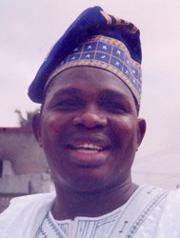
Mrs.Yeye Akilimali Funua Olade Alao Adedayo-Founder/savior of Yoruba Language thru his GREAT newspaper Alaroye! Do Your own part and BUY it every week, get your children to read it- FIGHT TO SAVE Yoruba Language. FROM DYING!

I stumbled four times to make Alaroye a success story – Alao Adedayo

July 8, 2011

Musa Alao Adedayo, a.k.a Agbedegbeyo, is the Publisher/Chief Executive Officer, World Information Agents Limited, the publishing company of the popular Yoruba newspaper, ALAROYE. He spoke to BASHIR ADEFAKA about himself and how he stumbled four times to get it right with the vernacular paper that has today become a success story in the newspaper industry in Nigeria. Excerpt

How did you start out in life?

I am a Muslim but I am not a biased person because God Himself never loved a biased person.  But those who know me from the beginning used to call me Alao Agbedegbeyo.  When I talk of people who know me from the beginning, they are people from the  70s, early 80s and so on.

I came from Abeokuta to Lagos in 1980 doing Ewi (lyrics) artist.  In those days as an Ewi person, you must be attached to a particular musician and I was with Dele Abiodun, who was like my master.  Ewi was like side-attraction at a show and it would come on stage while the musician and his band members were taking a rest.

I had also participated in some dramas through the likes of Jide Kosoko, Ishola Ogunsola, (Dr. I. Show Pepper) and Adebayo Salami (Oga Bello).  It was because of the Ewi that I used to present in those days that Jide Kosoko would always come to Dele Abiodun’s shows.  He would say to me, “Alao, we are having an outing somewhere and I want you to perform your Ewi there,” and I would say no problem.

How did Ewi correlated with the broadcaster that you were?

By and large as God would have it, through that channel, as I have mentioned before, I became a broadcaster.  Sometime in 1979, Radio Lagos started a programme called, Kebuyeri, which was mainly for the Awada Kerikeri group that was then run by Adebayo Salami popularly called Oga Bello.  We went to a show at Ebute Metta and Adebayo Salami and his group members had also come to that show.

It was there he saw me and said, “Ah, Alao! Radio Lagos has just given us a programme and we want you to be in it” and I said no problem.  We didn’t even discuss money because what was more important to us at that time was the job.  That was how we started the programme and it became overwhelmingly popular turning me into a celebrity.

Behind that programme, a plan was going on by the management of Radio Lagos and the producer of the programme, Adebayo Tijani, communicated to me that management was talking about me and that was how I became a newscaster with Radio Lagos reading Yoruba news at that time.

I left Radio Lagos in 1981, which was a real year of politicking in the country.  Then, Radio Nigeria Ikeja which was established within that time was located in Ikoyi and in fact when we were there, we were always abusing and calling them, “Agberekusu f’ohun Ikeja” that is, people who were on the Island claiming to be speaking from Ikeja (laughs).  I eventually found myself at the Radio Nigeria Ikeja and later NTA but I did not stay long before I left.

When you left service, where did you go?

When we joined broadcasting, most of us did not get the job because of our educational qualifications and so, when I left the NTA, it was an opportunity for me to now go and improve myself, which then took me to the Nigerian Institute of Journalism (NIJ) and then the universities for my first and later second degrees.

How did Alaroye come into the show?

It was in May 1985 when I was 25 and while I was still working as a Yoruba newsreader with the NTA that I decided to try my hands in publishing, which brought about the Alaroye.  Between May and October of 1985, I was only able to publish four editions of the tabloid that was meant to be weekly.  I was doing it alone because I had no such money to hire people.   It thus became a staggered publication because it was a one-man’s idea and as a result, no prospective partner was willing to support or invest in the business.  It was also like that because Yoruba newspaper business at that time was seen as a barren land.  So, naturally, it died.

Further effort was made at resuscitating the paper in 1990 but it couldn’t get to the vendors,  though it was being published. It was to be launched that year so that some funds could be raised. On the day of the launching, a prominent member of the community who was a friend of both the chief launcher and chairman, Lai Balogun, died. So it was a wrong day for the Alaroye’s show as the whole community was thrown into mourning and no one remembered the launch.

In 1994 when I made the third attempt at the publication, I was convinced that Alaroye would one day emerge a success story because, for four weeks, I was able to publish the weekly paper consecutively and throughtout the period,  it was well circulated and generally accepted.

And because I had acquired more knowledge about all it required to make a successful print media, Alaroye was able to stand and  able to meet the standard of a newspaper. Yet, it couldn’t go far because I could not raise the required fund to keep it going.  And for two years, it remained like that until July 2, 1996, when we were able to revisit it and tried our best to make it what it is today.  That was the fourth attempt and it has now come to stay.

I thank God that today, Alaroye is seen not as a happenstance, but a planned revolution in the newspaper industry in Nigeria.  And it is so because, no Yoruba newspaper has been so successful because most of the earlier issues, people have said, were translataion of English newspapers or repetition of news items already carried on radio and television.

Alaroye is original for its thorough analysis, research works and investigative journalism that many have appreciated as having put the newspaper on a very high pedestal. It informs, educates, entertains and analyses events as they unfold through the Yoruba culture. For this, it circulates in Nigeria, wherever Yoruba domicile, with the print run sometimes as high as 150,000 copies per week.  I have the reason to really thank God today because, in Nigeria, particularly among the Yorubas, Alaroye is a language. It is the culture.

The Conference of Yoruba Leaders showcased by your newspaper, which debuted in 2002, hasn’t seemed to produce any result considering the fact that Yorubas are still intolerably disunited.  What is the problem?

The problem we have in Yorubaland is the way we play our own politics.  What Alaroye is trying to do is to serve as a bridge to bring all the leaders together.  There is need for a connecting point, which will connect all Yoruba people with one another.  We have very, very intelligent, well exposed and highly patriotic sons and daughters of Yorubaland.  We cannot run away from the fact that we are Yorubas; we had been Yoruba people before Nigeria and we will remain Yoruba people within Nigeria.

Yes, political party differences are there but we should be able to know that there is difference between politics and governance.  So, during election, you can abuse and criticize yourselves but once election is over, issue of governance becomes the central point while politicking is set aside for another election season.  And if you are the governor, you should see yourself as the father of all, as the head of government and people should see the governor beyond his party but as the leader that all of us should relate well with as one of our own.

In the year 2002, I went to Papa Abraham Adesanya and I said to him, “E ma bawon se oselu.  Ema bawon da si oro oselu.  Asiwaju Yoruba ni ki’e je” (That Papa should not be part of politics other Yorubas played but that he should be okay with himself as Leader of the Yoruba Nation).

He asked me why.  We talked a lot about it and he agreed with me.  Not only that I went to discuss it with him, we made it a critical editorial issue, which some of the Afenifere members then responded to.


[

BACK TO AFRICA !- THIS BLACK AMERIKKKAN DAN FOSTER DID SO WELL ADJUSTING IN NIGERIA THAT HE’S WRITING A BOOK ABOUT HOW TO DO BUSINESS IN NIGERIA- IMAGINE! BLACK ON!-FROM NAIRALAND.COM

May 26, 2011


FROM NAIRALAND.COM
CNN: Doing Business In Nigeria (Review Of Dan Foster’s Book)
Welcome. Please Login, Register, Or Activate!
type your username and password to login

Date: May 26, 2011, 03:20 PM
689857 members and 612647 Topics
Latest Member: Farmingdal
Nairaland [Nigerian Forum] Home Help Search Who is currently online? Recent Posts Login Register
Nairaland Forum | General | Welcome | Politics (Moderators: aisha2, Jarus) | CNN: Doing Business In Nigeria (Review Of Dan Foster’s Book)
Pages: (1) (2) Go Down Send this topic Notify of replies
Author Topic: CNN: Doing Business In Nigeria (Review Of Dan Foster’s Book) (Read 5257 views)
Mobinga
CNN: Doing Business In Nigeria (Review Of Dan Foster’s Book)
« on: September 01, 2010, 04:47 AM »

When yes means maybe: Doing business in Nigeria

Quote from: CNN
STORY HIGHLIGHTS

Dean Foster is the author of “The Global Etiquette Guide to Africa”

Foster believes the key to success in Nigeria depends on your contacts and commitment

Providing a tip or “dash” for services, including the processing of official documents, is normal

London, England (CNN) — In a business culture where negotiations are fluid and what’s agreed on Monday might not necessary mean the same thing on Tuesday, how do you get the job done?

It’s a challenge some foreigners encounter when doing business in Nigeria.

However, things don’t have to be difficult explains Dean Foster, president of the cross-cultural training company Dean Foster Associates and author of “The Global Etiquette Guide to Africa.”

According to Foster, as long as you understand the cultural etiquette, doing business in Nigeria can offer vast opportunities. But, he says, success comes down two key factors: contacts and commitment.

“The bottom line is that you cannot expect to go into Nigeria, make the deal, turn around, walk out and expect things to go as planned,” Foster told CNN.

You’ll build friendships and relationships that will last a life

–Dean Foster, author of “The Global Etiquette Guide to Africa.”

“If you’re committed to business in Nigeria you have to know that you’re entering an environment that requires your constant attention and constant renegotiation. Adaptability and flexibility on your part is key,” he continued.

Knowing the right person is also fundamental, according to Foster, who says personal relationships are often more important than regulations and laws. It’s something, he warns, many outsiders may feel uncomfortable with.

“You have to be wary of the old tradition of ‘dash,’ which in Nigeria essentially means putting money in the hands of an individual,” he said.

“It is of course in many respects illegal, but it is still quite a common convention. And the degree to which you, as a business person, want to co-operate with this will determine to a great degree the success you have in Nigeria.”

But despite the challenges, Foster is adamant business in Nigeria can be a rewarding experience — and not just financially.

“The people are fantastic — you realize that the social networks and relationships you put so some much energy and time into, are in fact is part of the great reward. You’ll build friendships and relationships that will last a life,” he told CNN.

Dean Foster’s top five tips for doing business in Nigeria.

1. Agreeing with people is considered to be a sign of respect. Nigerians generally say “yes” to a request because their respect for you does not allow them to say “no.”

2. Among traditional Nigerian business people, an appointment is rarely private. Try not to be irritated if your meeting is interrupted by phone calls and/or visits from your client’s friends and family.

3. Do not eat everything on your plate; leaving some food is a signal that you have had enough. If you clean your plate, you are indicating that you
want more food.

4. Nigerians tend to stand close to each other while speaking. If you are uncomfortable conversing at this distance, try to refrain from backing up.

5. Nigerians are good bargainers, and you should expect to bargain and compromise in the marketplace and at the negotiating table.

http://edition.cnn.com/2010/BUSINESS/08/31/business.etiquette.nigeria/index.html

Quote
Comments in the Cnn Forum

sweet03 I personally will not do business in Nigeria again, i dont believe them and they r not worth the hassle. THey are sweet talkers, so do not try it.

Indykid Is there any Nigerians in this forum??? If so , put your wallet in your front pocket. just sayin, Angry Angry

heo9542 Doing business in Nigeria, thats a good idea. I get emails for it all the time and they seem trustworthy to me. I cant even tell you how many millions of dollars I have waiting for me in escrow over there. This guy neva jam Grin Grin

Dis Guy
Re: Cnn Article Paints Nigeria Black
« #1 on: September 01, 2010, 04:57 AM »

Quote
According to Foster, as long as you understand the cultural etiquette, doing business in Nigeria can offer vast opportunities. But, he says, success comes down two key factors: contacts and commitment.

Quote
Foster is adamant business in Nigeria can be a rewarding experience — and not just financially.
“The people are fantastic — you realize that the social networks and relationships you put so some much energy and time into, are in fact is part of the great reward. You’ll build friendships and relationships that will last a life,” he told CNN.

so whats bad about this article, look at the glowing compliments Grin

Dis Guy
Re: Cnn Article Paints Nigeria Black
« #2 on: September 01, 2010, 04:59 AM »

Quote
1. Agreeing with people is considered to be a sign of respect. Nigerians generally say “yes” to a request because their respect for you does not allow them to say “no.”

this is a solution to all those fights on Nairaland, everyone should just agree and say yes sir yes ma! simples!

gozzilla (m)
Re: Cnn Article Paints Nigeria Black
« #3 on: September 01, 2010, 08:35 AM »

I am still trying to pick out the the bad in this article.

calyx
Re: Cnn Article Paints Nigeria Black
« #4 on: September 01, 2010, 08:57 AM »

99% of the content of this article is true and well informed.

Care-Taker (m)
Re: Cnn Article Paints Nigeria Black
« #5 on: September 01, 2010, 09:29 AM »

The man is a ”been to”

Those are the attitudes Nigerians have that we are going to change for the better.

http://groups.yahoo.com/group/GodBlessNigeria

deor03 (m)
Re: Cnn Article Paints Nigeria Black
« #6 on: September 01, 2010, 09:38 AM »

Quote from: gozzilla on September 01, 2010, 08:35 AM
I am still trying to pick out the the bad in this article.

Me too !

Quote from: calyx on September 01, 2010, 08:57 AM
99% of the content of this article is true and well informed.
Also, True !

PapaBrowne (m)
Re: Cnn Article Paints Nigeria Black
« #7 on: September 01, 2010, 09:39 AM »

Very accurate article!!! The guys knows so well!!

jba203
Re: Cnn Article Paints Nigeria Black
« #8 on: September 01, 2010, 10:08 AM »

The bright side of the article is that, it paints a picture that doing business in Nigeria can potetially pay dividends. However, 90% of the article shows Nigeria’s volatility in establishing a working sytem. It is also written as an arlet to those who may wish to do business over there. It talks about contacts and commitment: that in stable economies cannot serve as a determinant for good business.

ziga
Re: Cnn Article Paints Nigeria Black
« #9 on: September 01, 2010, 10:50 AM »

@OP

I don’t agree with you that the article painted Nigeria black. The writer is obviously someone who has done some real research on Nigeria because he actually presented the facts as they are.

He gave the positives and negatives, and he tried to rationalize the reasons for it and he was not in anyway sarcastic about his remarks. This is unlike some other reports that i’ve seen that look like they were written from the seat of a plane.

This report is a very honest evaluation of the situation on ground. Thanks to the reporter for being factual.

Mobinga
Re: Cnn Article Paints Nigeria Black
« #10 on: September 01, 2010, 11:08 AM »

Hehehe!! Oya let me modify the topic

goldplated (m)
Re: CNN :: Doing Business In Nigeria
« #11 on: September 01, 2010, 07:54 PM »

A wonderful tribute!

kulyie
Re: CNN: Doing Business In Nigeria (Review Of Dan Foster’s Book)
« #12 on: September 02, 2010, 03:53 PM »

he’s sure right.he’s bin in nigeria 4 over 10 yrs,so he shud know wot livin n doing buisness in nigeria entails especially doing business in lagos.we have a lotta cultural influences wen doing business n foreign counterparts who arent aware of dis may experience cultural shock Lips sealed Lips sealed Lips sealed Lips sealed

Ranoscky (m)
Re: CNN: Doing Business In Nigeria (Review Of Dan Foster’s Book)
« #13 on: September 02, 2010, 04:14 PM »

Pls, i’ll lyk to know if Dan Foster is back in nigeria, any1 to help me out with d answer? Undecided

nanidee (f)
Re: CNN: Doing Business In Nigeria (Review Of Dan Foster’s Book)
« #14 on: September 02, 2010, 04:28 PM »

@ poster, Dan Foster, or Dean Foster?, Undecided Undecided Undecided

bones1 (m)
Re: CNN: Doing Business In Nigeria (Review Of Dan Foster’s Book)
« #15 on: September 02, 2010, 04:31 PM »

Article is an accurate and non biased account of Nigeria

agitator
Re: CNN: Doing Business In Nigeria (Review Of Dan Foster’s Book)
« #16 on: September 02, 2010, 05:00 PM »

Perfect analysis Cool

matiltom_d (f)
Re: CNN: Doing Business In Nigeria (Review Of Dan Foster’s Book)
« #17 on: September 02, 2010, 05:23 PM »

I’m confused in here o! Dan Foster the OAP or Dean Foster?

ayex0001
Re: CNN: Doing Business In Nigeria (Review Of Dan Foster’s Book)
« #18 on: September 02, 2010, 05:33 PM »

Maybe he wanted to say Usman Dan vodio, lol

xtremeidea (m)
Re: CNN: Doing Business In Nigeria (Review Of Dan Foster’s Book)
« #19 on: September 02, 2010, 05:38 PM »

Dan Foster has written a book? woooooooooow Shocked Shocked Shocked Shocked

Tokotaya
Re: CNN: Doing Business In Nigeria (Review Of Dan Foster’s Book)
« #20 on: September 02, 2010, 05:41 PM »

It’s an error by the OP. This is about a different Dan, from the OAP

chosen04 (f)
Re: CNN: Doing Business In Nigeria (Review Of Dan Foster’s Book)
« #21 on: September 02, 2010, 06:57 PM »

Quote from: Tokotaya on September 02, 2010, 05:41 PM
It’s an error by the OP. This is about a different Dan, from the OAP

Are you serious?

JUO
Re: CNN: Doing Business In Nigeria (Review Of Dan Foster’s Book)
« #22 on: September 02, 2010, 07:48 PM »

this guy don drink nija water

blakduches
Re: CNN: Doing Business In Nigeria (Review Of Dan Foster’s Book)
« #23 on: September 02, 2010, 08:17 PM »

A true depiction of the nigerian system.

oladayo042
Re: CNN: Doing Business In Nigeria (Review Of Dan Foster’s Book)
« #24 on: September 02, 2010, 08:20 PM »

Factual truth abt Naija.
3. Do not eat everything on your plate; leaving some food is a signal that you have had enough. If you clean your plate, you are indicating that you want more food. Shocked Shocked

rebranded (m)
Re: CNN: Doing Business In Nigeria (Review Of Dan Foster’s Book)
« #25 on: September 02, 2010, 09:28 PM »

I see Dean Foster NOT Dan Foster pls change the heading its misleading!

Nymph node (m)
Re: CNN: Doing Business In Nigeria (Review Of Dan Foster’s Book)
« #26 on: September 02, 2010, 11:45 PM »

The dark dude is a presenter, Inspiration FM Lagos the other is a US based writer he wrote Global Etiquette Guide to Africa and the Middle East

* Dan-foster Inspiration Fm.jpg (10.52 KB, 299×448 )

* dean+foster.jpg (16.8 KB, 320×240 )

Dis Guy
Re: CNN: Doing Business In Nigeria (Review Of Dan Foster’s Book)
« #27 on: September 03, 2010, 01:47 AM »

Quote
4. Nigerians tend to stand close to each other while speaking. If you are uncomfortable conversing at this distance, try to refrain from backing up.

so why do we still talk like we have loudspeakers in our mouth??

shilling (f)
Re: CNN: Doing Business In Nigeria (Review Of Dan Foster’s Book)
« #28 on: September 03, 2010, 07:02 AM »

Quote from: Dis Guy on September 03, 2010, 01:47 AM
so why do we still talk like we have loudspeakers in our mouth??

I was also wondering about that. I’ve never noticed that about Nigerians whenever I visit – standing so close. I feel super-uncomfortable when a person does that.

rasputinn (m)
Re: CNN: Doing Business In Nigeria (Review Of Dan Foster’s Book)
« #29 on: September 03, 2010, 07:22 AM »

The day a man as unserious as Dan Foster(sorry Dan,but you know what I mean)writes a book about doing business anywhere,,,,,,,, ,,,,.,.,.,.,

agitator
Re: CNN: Doing Business In Nigeria (Review Of Dan Foster’s Book)
« #30 on: September 03, 2010, 07:44 AM »

MTN knew about this and they are the greatest in africa, vodacom didn’t and they lost
Julius Berger also towed this line, and some new foreign construction companies are following their footsteps. Cool

Jakumo (m)
Re: CNN: Doing Business In Nigeria (Review Of Dan Foster’s Book)
« #31 on: September 03, 2010, 07:54 AM »

Quote from: shilling on September 03, 2010, 07:02 AM
I was also wondering about that. I’ve never noticed that about Nigerians whenever I visit – standing so close. I feel super-uncomfortable when a person does that.

Please don’t feel uncomfortable, since a true Nigerian conversation is not in progress until you can SMELL the breath and body odor of the person invading your personal space, and feel your ears ringing from the glass-breaking volume of their speech.

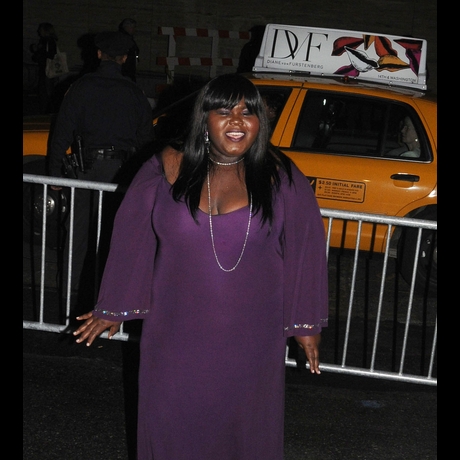
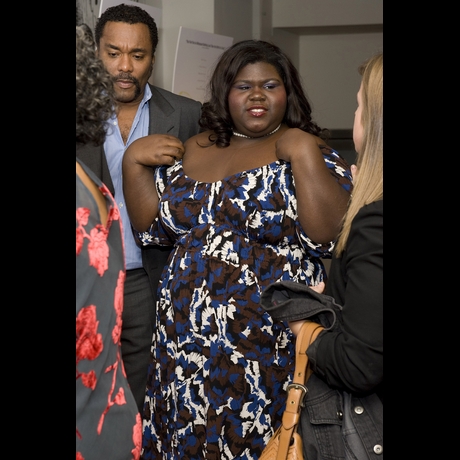
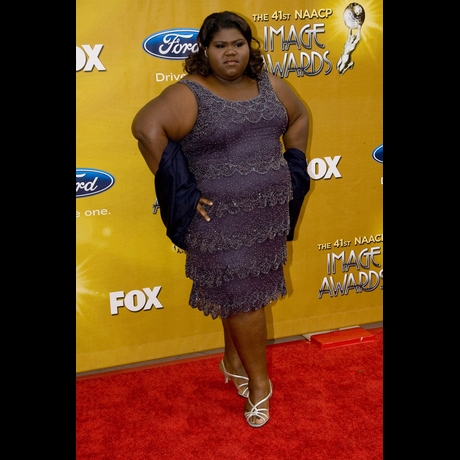
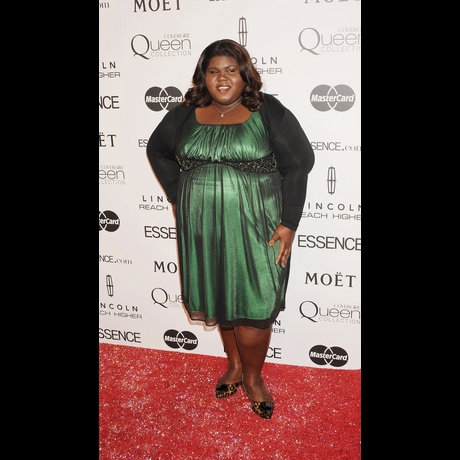
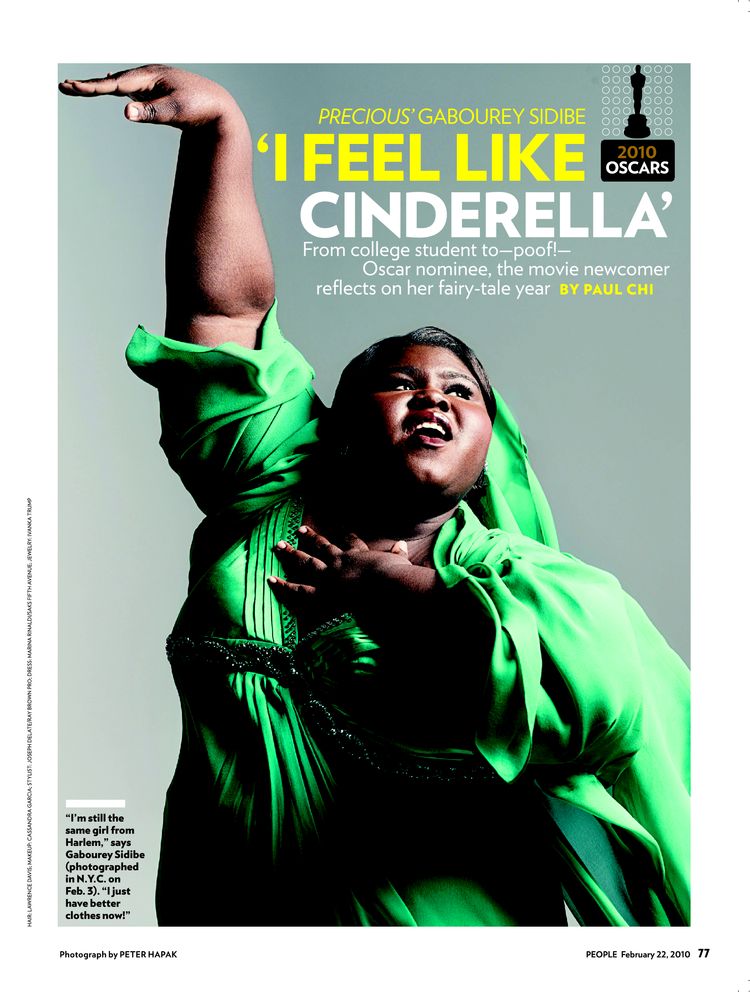
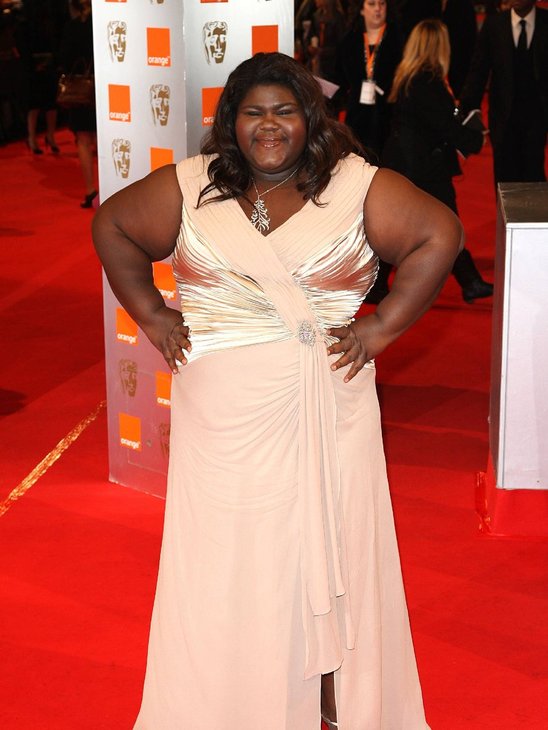
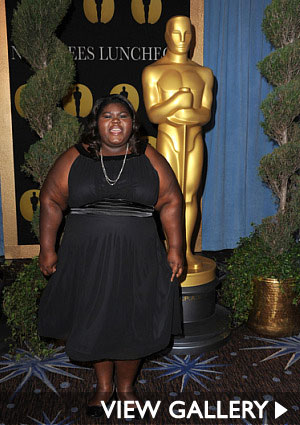
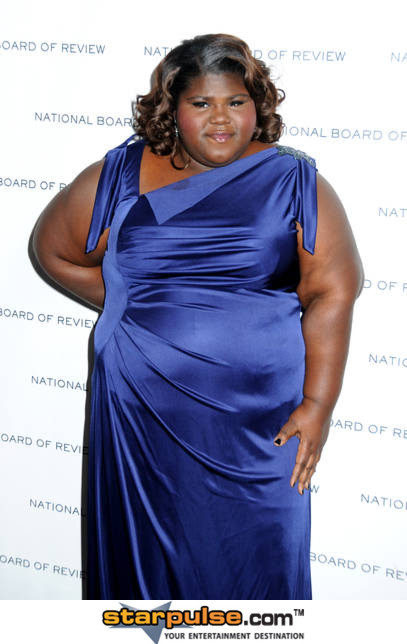
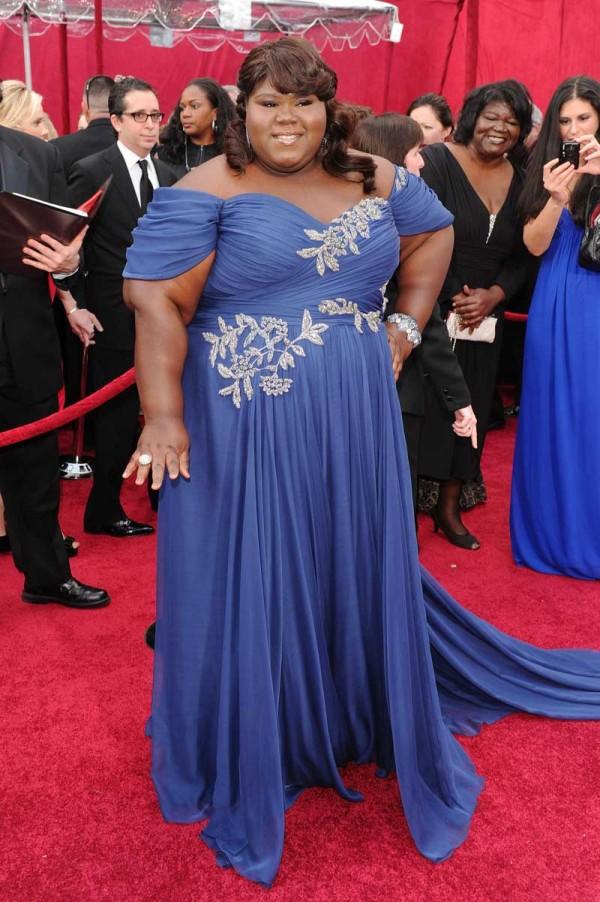
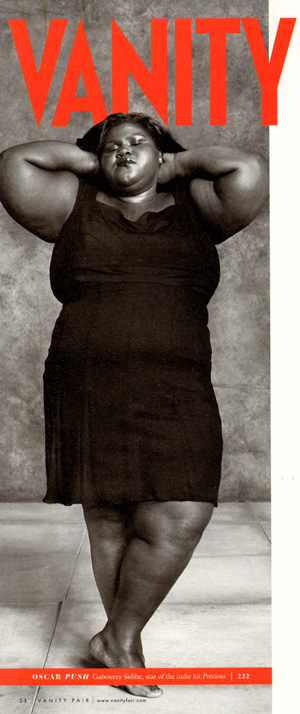
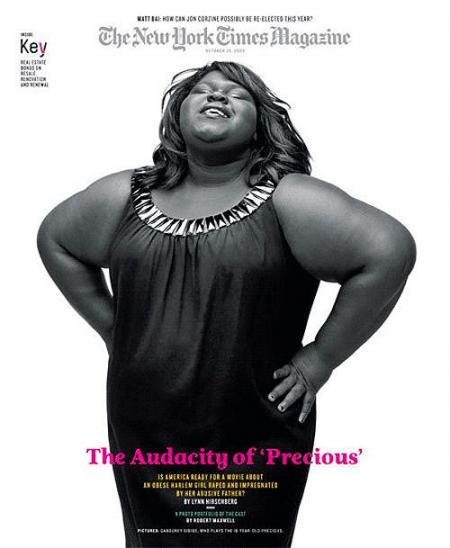
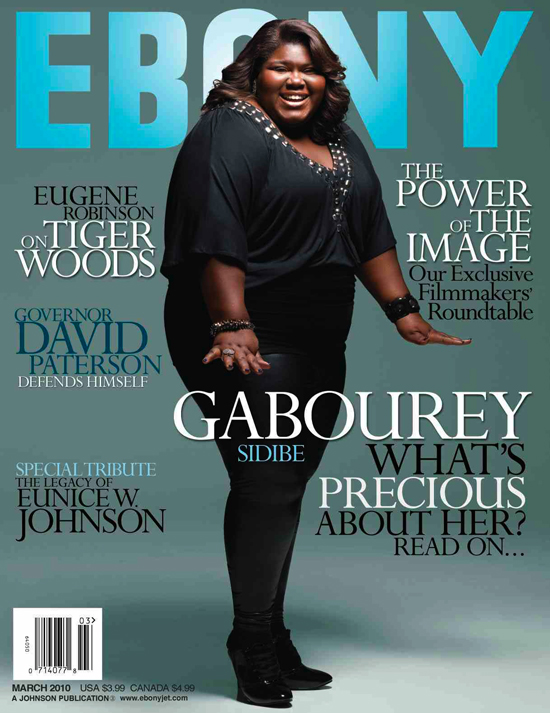
EBONY MAGAZINE DOES NOT PUT BLACK SKINNED BEAUTIES ON ITS COVER-SAYS WHITE BRAINWASHED BLACKS SINCE SLAVERY ONLY GO FOR CREOLE-CRAZY-MULATTO-MENTALITY-IMITATION-WHITE-GIRL-BEAUTY BUT IN THE 60′S WE WOOLLY HAIR BEAUTIES FORCED EBONY TO PUT ITS FIRST BLACK SKINNED BEAUTY,WITH WOOLLY HAIR AND AFRICAN FEATURES ON IT’S COVER AND NOW GABOUREY SIDIBE HAS BROKEN AGAIN THE IMITATION WHITE GIRL CEILING OF EBONY-BLACK ON BLACK SKINNED BEAUTY!

March 29, 2010

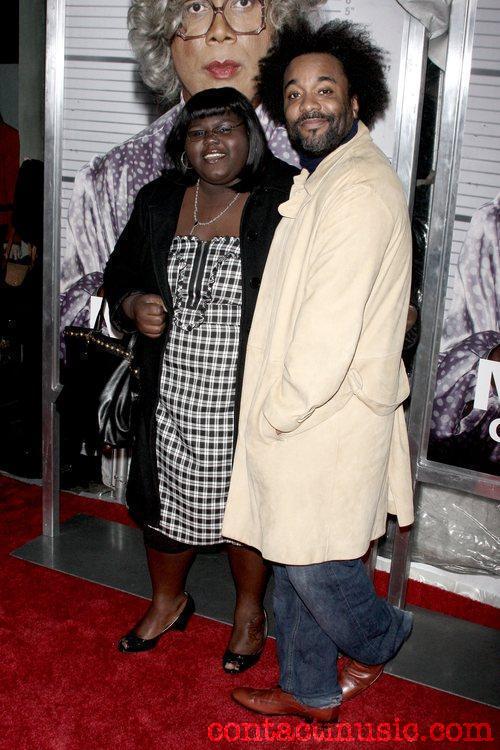
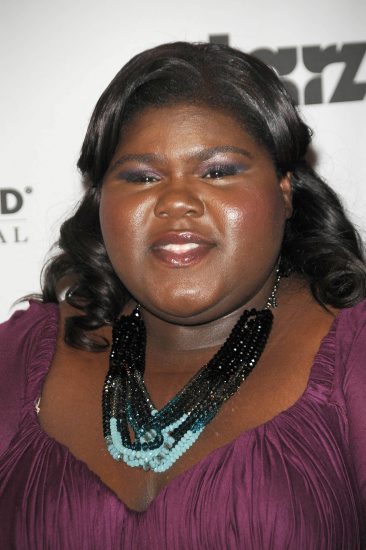
GABOUREY SIDIBE IS A BIG BLACK SKINNED BEAUTY SUPREME AND DON’T LET ANYBODY LIE AND SAY NO!

February 3, 2010

CLICK ON HERE TO SEE PUBLICATIONS ON HER:
blackskinnedbeauties.blogspot.com

Gabourey Sidibe
From Wikipedia, the free encyclopedia
Jump to: navigation, search
Gabourey Sidibe

Sidibe at the 2009 Toronto International Film Festival
Born May 6, 1983 (1983-05-06) (age 26)
Brooklyn, New York, U.S.
Occupation Actress
Years active 2009–present
Gabourey “Gabby” Sidibe (born May 6, 1983) is an Academy Award-nominated American actress who made her acting debut in the 2009 film Precious.

Contents [hide]
1 Life and career
2 Filmography
3 References
4 External links

[edit] Life and career
Sidibe was born in Brooklyn, New York and was raised by her mother in Harlem.[1] Her mother, Alice Tan Ridley, is an R&B and gospel singer, and her Senegal-born father, Ibnou Sidibe, is a cab driver.[2] She has attended several New York City area colleges: Borough of Manhattan Community College, City College of New York, and Mercy College.[3]

In Precious, Sidibe plays the title character, a physically and sexually abused sixteen-year old, with a four year old child by her own father and with another child on the way. The film won numerous awards, including the Sundance Film Festival Grand Jury Award.[4]

She has finished shooting her next film, Yelling to the Sky, a Sundance Lab project directed by Victoria Mahoney and starring Zoe Kravitz, in which she plays a bully.[5]

On December 8, 2009, she appeared on the Jay Leno Show to promote Precious. Her “Earn Your Plug” challenge was to answer trivia about ‘N Sync with the help of surprise guest Lance Bass from the band. A week later, on December 15, she was nominated for a Golden Globe in the category of Best performance by an Actress in a Motion Picture Drama for her performance in Precious. On February 2, 2010, Sidibe was nominated for an Academy Award for Best Actress.

[edit] Filmography
Year Film Role Notes
2009 Precious Claireece “Precious” Jones Detroit Film Critics Society Award for Best Actress
Florida Film Critics Circle Award for Best Actress
Hollywood Film Award for Rising Star Award
Iowa Film Critics Awards Best Actress
National Board of Review Breakthrough Performance Female
Las Vegas Film Critics Society Award for Best Actress
Satellite Award for Outstanding New Talent
Women’s Film Critics Circle Award for Best Young Actress
Nominated — Academy Award for Best Actress
Nominated — Alliance of Woman Film Journalists Award for Best Actress
Nominated — BAFTA Award for Best Actress in a Leading Role
Nominated — Black Reel Award for Best Actress
Nominated — Black Reel Award for Best Breakthrough Performance
Nominated — Black Reel Award for Best Ensemble
Nominated — Broadcast Film Critics Association Award for Best Actress
Nominated — Chicago Film Critics Association Award for Best Actress
Nominated — Golden Globe Award for Best Actress – Motion Picture Drama
Nominated — Houston Film Critics Society Award for Best Actress
Nominated — Independent Spirit Award for Best Lead Female
Nominated — NAACP Image Award for Outstanding Actress in a Motion Picture
Nominated — Satellite Award for Best Actress – Motion Picture Drama
Nominated — Screen Actors Guild Award for Outstanding Performance by a Female Actor in a Leading Role
Nominated — St Louis Gateway Film Critics Association Award for Best Actress
Nominated — Washington D.C. Area Film Critics Association for Best Actress
Nominated — Washington D.C. Area Film Critics Association for Best Breakthrough Performance
Nominated — Washington D.C. Area Film Critics Association for Best Ensemble
2010 Yelling to the Sky Latonya Williams (post-production)

[edit] References
^ Stated on the Late Show with David Letterman, November 9, 2009
^ Williams, Kam (2009-11-10). “Gabby Sidibe “Precious” Interview with Kam Williams”. NewsBlaze. http://newsblaze.com/story/20091109180950kamw.nb/topstory.html. Retrieved 2009-11-10.
^ Gabourey Sidibe profile
^ “Push’ takes Sundance grand jury award” Ed Zeitchik, Hollywood Reporter, January 24, 2009
^ Yadegaran, Jessica (2009-11-12), “Gabourey Sidibe on being ‘Precious’”, San Jose Mercury News, http://www.mercurynews.com/movies-dvd/ci_13763264, retrieved 2009-11-15
[edit] External links
Gabourey Sidibe at the Internet Movie Database
Gabourey Sidibe bio FR

This article about a United States film and TV actor or actress born in the 1980s is a stub. You can help Wikipedia by expanding it. v • d • e

Retrieved from “http://en.wikipedia.org/wiki/Gabourey_Sidibe”
Categories: 1983 births | African American actors | American film actors | Living people | People from Brooklyn | Senegalese Americans | American screen actor, 1980s birth stubs

4444444444444444444444444444444444444444

YOU WILL GET YOUR BLACK MAN WHO APPRECIATES YOUR BIG BEAUTIFUL BLACK SKINNED BEAUTY!

THAT'S A WHOLE LOT OF BLACK SKINNED BEAUTIFUL WOMAN!

BLACK SKINNED BEAUTY SUPREME!

SEE MORE FLICKS AND PUBLICATIONS ON GABOUREY SIDIBE HERE-
http://blackskinnedbeauties.blogspot.com/2010/05/gabourey-sidibe-is-big-black-skinned.html

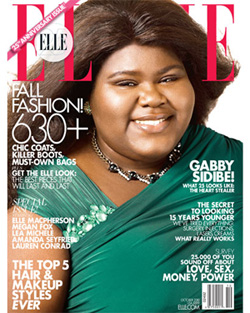
ABOUT THE BLEACHING OF GABOUREY’S ELLE COVER-

http://hollywoodcrush.mtv.com/2010/09/17/gabourey-sidibe-elle-cover-multiple-choice/

Natural Nappy hair,Charismaallover pictures in slideshow form!!

June 19, 2009

This is just me showing off natural
hair, how it has grown. There’s no
other style I’ll get unless it’s nappy
and natural. No more straight styles
for me. I’m all natural.

“BLACKS ARE IN FACT THE TRUE JEWS OF THE BIBLE PART I “-YOUTUBE VIDEO

June 17, 2009

Blacks are in fact the true jews of the bible watch ! part 1

Black History, the history of our lives!

June 15, 2009

Blacks are in fact the true jews of the bible watch ! part 1

Blacks are in fact the true jews of the bible watch ! part 4

Roman Catacombs THE JEWS ARE BLACK

The Yorubas are playing it up in their band!

May 15, 2009

These are my black people’s from yoruba. They got their instruments out ready
to give you a soulful tune. They are ready to get you in the mood for….
whatever! These people are looking
all fly!
They transmit their special
atmosphere through the computer
screen. They belong more than on
youtube, but also on tv. Ladies
and gentleman clap your hands
wherever you are for this bunch.

They in the mood for a music
party. They jammin!

The Headwear of Beautiful Black Yoruban/ Nigerian Women!!

May 15, 2009

These ladies do style, they are about class. They are ready to flaunt.
They’ve come prepared to show their
hats off. Brace yourself for the most
beautiful and vibrant, bright set of
colors. Oh, and the styles of the headwraps will make you want to
go purchase scarves for them.

It’s like a festival. It will make you want to dance, just maybe.
It’s a parade of glorious scarf hats.
The hats are so beautiful it will make
you lose gravity, just kidding, but they
are really really gorgeous.

“ARE AFRICAN LANGUAGES IMPORTANT?ASKED BY BBC NETWORK-SEEN ON RAMADJI.COM

May 15, 2009

FROM ramadji.com
originally from bbcnews.com

Are African languages important?

source: news.bbc.co.uk

African languages like Swahili, Yoruba and Somali are now available to read on the internet based encyclopaedia, Wikipedia.

The website aims to give every single person an encyclopaedia in their own language no matter how rare and features everything from recipes to biographies.

But Wikipedia is dominated by articles written in English for which there are over one million entries. Compare that to African languages where there are just a handful of entries.

Swahili is the most widely spoken African language available in text on the net, but in general the presence of African languages is dismal compared to languages spoken in the West.

How important is it to be able to read, write and speak an African language? Is English now the most important language in the world? Should people in the developing world still be taught local languages and are they useful for everyday life?

In my personal opinion I believe that there is no language that is better than others. And because some languages do not have a written form that does not mean that is not a legitimate language. On the contrary, this what it is prove of legitimacy. That these languages has being around and survive for a long time and their are here to stay. Is the English language the most important in the world today? Hell NO. Not because a certain particular group of people are trying to make the English language a global language, this does not make it any better or the most important language on this world. This is like saying that whites are better than blacks. Why should all indigenous languages on earth being taken off from this planet? And then replaced by the English language? Is not this a form of genocide too?.
Nathaniel Robinson, San Diego, California

Should this question be asked, I really would like to know why this question should arise. Looking at it most countries in europe and Asia don’t speak English and majority of African countries speak English and are better at it than most European and Asian countries. If I should really comment on this question I think it boils down to the level of education in a particular country. About 90% of African education is thought in English it is very difficult to find an African country that doesn’t speak English which could be traced to the colonial era. Moreover it is assumed that if you cant speak English you are not educated therefore the issue of translating the Encyclopedia and most articles into African languages to me is a let down. This is so because only an educated person can read, write and speak any language including English. The same educated persons are computer literate and make use of the internet in any language he or she understands, mind you, depending on their ability to speak and understand! So tell me what difference does it make translating articles to African languages?
Eke Alexander, Sweden.
Language easily brings about acceptance and appreciation which earns one an advantage. The more languages one speaks, reads or writes the better and more advantage he or she would have in this global village of ours. As a Gambian I can go to Senegal, Guinea Bissau, Mali, Guinea Conakry and Sierra Leone and use the local languages like Wollof, Creole, Mandinka, Pularr, Krio in addition to my English and little French to survive. One becomes happier when he or she knows you can talk to him or her in his or her mother tongue. Let’s embrace our African languages and work adopting some of them like Swahili, as our official language.
Betsney Gomes, Gambia

Language is an integral part of our history and culture. The different African languages show how diverse we are as a people. Retaining our different languages and cultures gives us the feeling that we have not completely lost our identity to colonialism and the slave trade.
Oyin Oyatoye, Nigeria

I fail to understand what your question aims to achieve, apart from patronising Africans. I dare you to pose the same question to the English.
S. K. Omar,

In my personal opinion is that I believe that all languages are important. Just because some languages do not have a written form that does not mean that is not a legitimate language. In the contrary,that proves it’s legitimacy. Those languages have being around and survived for a long time and their are here to stay. Is English the most important language in the world today? Hell NO!! Just because a certain particular group of people are trying to make the English language a global language, this does not make it the any better or the most important language on this world. This is like saying that whites are better than blacks. Why shouldn’t all indigenous languages on Earth be taken taken as seriously as the English language? Eradicating them would be a form of genocide!

Nathaniel Robinson, San Diego, California

Language is one of the factors that helps to create a sense of strong cultural identity and a sense of belonging to a society. In the current debate and strong search for answers on the causes of our economic under-development, the contribution or the lack of it of language should be one of the areas for exploration. I have always maintain that the use of one’s language enhances the development and articulation of ideas specially for economic development. The rapid education and economic rise in the Far Eastern and Indian sub-continent there is a strong evident that one’s own language can contribute in development. As a Fula or Fulani one of the most widespread tribe in West Africa, the development of our language or any other language in West Africa as a recognised language of communication would make a big impact to our economic development. Unlike Asian leaders our African leaders are busy enriching themselves rather than re-addressing the ills of colonialism that belittle the continent. In some African societies such as the Francophone countries, the desire to behave and talk like their ex-colonial masters has overshadowed their pride in themselves and their cultures so much so that, they speak and behave like French. A big shame on us all as Africans. Let us all start searching within ourselves and start rediscovering our cultures, heritage and values and be proud of them.
Musa Bah, UK

For me life will never be complete without language in the written or spoken form. Anyone who cherishes his language be it African or otherwise must be able to read, speak and write such language. Whether English is the most important language in the world depends on the situation and circumstance in which it is viewed. I think local languages should be taught to people as the society cannot function very well without its language. Language is the people.
Isidore Nwachukwu, Linkoping, Sweden.

Variety is the spice of life as they say. I think it is very important to allow African languages to be sustained and developed. In the English speaking West, we are guilty of expecting everyone else to do the work. Jamaican Tusiwe wavivu, tuanze kujifunza lugha nyingine.
Stephen Gamble, Glasgow, UK

African languages are important because the social, political and economic development of the vast majority of the people of Africa depend on the proper and systematic use of their indigenous languages. Moreover, failure or refusal to use African languages in many domains adversely affects the African’s human and people’s rights in general. These include their right to quality education, to good health, to fair trial, to economic justice, to access to information, to freedom of expression, etc.
Professor Lazarus Miti, South Africa

I think African languages are for Africans while Western languages are for everybody. If you are to work in France you have to know French but a French man can work in Africa without knowing an African language
Hankie Uluko Lilongwe, Malawi

Language is a part of man’s national identity. As a British / Nigerian I am very proud of my African heritage and express myself in Yoruba with pride. My children are British born and speak English as a first language but are equally fluent in Yoruba.
Adewale Adebanjo, London, UK

Of the four languages I am very familiar with, Yoruba, English, French and Dutch. Only the African language (Yoruba) does not discriminate between genders. Same word for expressions for male and female, unlike English for example, she, he . Who should then teach who gender equality?
A Olalekan, South Africa

English in my opinion is the most widely spoken language in the world, but the most important language for me is that with which I can speak to my mother, my father, my grand-parents without having to bother if I was making the right sense. This language is Igbo. You can have your own view, but mine is mine.
Chidi Nwamadi, Toulouse, France

I look language as a dress to thought. One can decide which dress to wear at what time. In this world of globalisation, undoubtedly every body is forced to learn international common Languages like English, French etc., for better survival. Irrespective of its present day importance, any Language that is alive with the people is always precious to us. Each generation has a duty to ensure the maintenance, improvement and pass on it to the next generation
Manasalekhini, Congo

Are African languages important? Are European languages important? Are Americas languages important? Are Asian languages important? Are Australia\New Zealand languages important?
Lloyds, Kitwe, Zambia

I believe that every language is important, no matter how many people use it. In the sense that each language represents a whole new world to discover. Just because English is the most spoken language of world it doesn’t mean that it is the most important one. People in the developing world should continue to learn their local languages because if they don’t they will lose their culture and identities. These languages are useful for their everyday life just like Portuguese is useful for my everyday life. People should learn other languages too besides their own, but they should never let their mother language die.
Márcia Cordeiro Guerreiro, Lisbon, Portugal

African languages are very important because not everybody can speak all this foreign languages. It’s our mother tongue, do you know that there are people who can express themselves better in African language, than English and the rest western languages. An example is the Pigeon English widely spoken in Nigeria one can see that most people that speak Pigeon English are not really graduate. Lastly English itself is the mother tongue of the UK people so that is why they have that development, so we African should be allowed to speak our mother tongue
Dayo Objurgate, Abuja, Nigeria

The other day we were travelling to our home town and group people were distributing magazines written in our dialect it was shared among us,could you believe me that some folks found them very difficult to read out the massages despite the language was compulsory in school. It’s easier to speak but hard to read and write.
Plato Owulezi, Nigeria

When broadcasting news on radio in Africa (FM or SW), local languages are an essential element for credibility. Languages also bring a sentiment of “ownership” for the concerned audiences.
Darcy Christen, Lausanne, Switzerland

The question should be “How important are the African languages?” Because a language is a mean of communication for any particular community, therefore African languages are the key for African success in everything! Specially with the failed European colonisation of Africa, where only 10% of the population speaks and understand correctly languages spoken by white people. I was a teacher in my country Guinea-Bissau, and I remember when I asked a question to my student in Portuguese it take them forever to give the answer, but when I asked the same question in Creole, I got the answer in fraction of second! That’s the evidence that,they are not dumb, but they do have problems mastering European languages. I strongly believe we in Africa should do everything possible to teach our people in our own language. It will be easier for them to learn anything and to master it to they best. And at the same time, we still can learn the “White peoples”languages so we can be able to communicate!I know it’s possible, because I speak five African languages and five European languages!
Manuel Gomes, New York, USA

For centuries the Berber language or Tamazight has been neglected by the Moroccan government and its speakers. Tamazight is an oral language and has never had an official script. But now things are changing and people dare to speak and write in their mother tongue, and I hope the three Tamazight languages of Morocco will have an official status in the constitution.
Moussa Aynan, Nador, Morocco

I teach English to speakers of other languages and believe very strongly in doing so radically. What does teaching English radically mean? To me, it means honouring my student’s native languages (and cultures) in the classroom and creating an atmosphere in which they know and can tangibly feel that their languages and cultures are valued and respected. As an English teacher, it’s of utmost importance to me that I emphasise my love of languages and my belief that no one language is superior to another. I tell my students that there are many English, and that standard English has historically been and is indeed still a language of power politics in the world, and therefore it is becoming increasingly important to speak through it and add it to one’s basket of languages. Because it is a language of power politics does not mean standard English is superior. Upon learning to speak Swahili, for example, I was able to express many feelings and emotions that I had been previously unable to express using standard English. All languages are beautiful and important. I find the question of the importance of African languages highly offensive and limited.
Sedia Macha, Greensboro, North Carolina

We are Africans and those languages are ours! it doesn’t matter how useful they are or how many people do use them, they are ours and we can’t afford letting them go! We are used to them and we live in them. They are very important to us. Anyone can join us and learn them to harmonise the world. Mloyi, Dar es salaam, Tanzania Our languages are us.I am African because of my language.It connects me with my culture. Much as I need to learn English for universal communication, I still need my African language to keep my roots.
Mutuna Chanda, Lusaka, Zambia

Languages are an integral part of man, as He communicates with it. Also, African languages should be encouraged to spread because you cannot extricate man from his medium of communication. It is the best way to express our feelings.
Ashipa James Olashupo, Abuja, Nigeria

A typical African is proud of his language. African languages should be taught in school in order to enhance the culture in Africa. Our cultures are dying because many Africans cannot express themselves in their mother tongue. “What a shame!” The highest tool of communication is your mother tongue before the so-called English.
Eric Mbumbouh, Bamenda, Cameroon

Language is a link to identity, and therefore very important to the group it’s specific to, it’s what sets you apart as different people. As much as we need to keep our African languages alive, it’s still important to have a language that connects us all as part of one world.
Velma Kiome, Nairobi, Kenya

I’m from the masena tribe in Mozambique. Despite the fact that i struggle to speak the masena language i strive to master it as it represents who I am and gives me an identity which I am proud of. Yes to me my language is important irrespective of what others think . One simple reason why it’s important is if I want to learn more of my cultural history and background then i would speak to my elders in my language. And elders are an important aspect of our African communities
Matata, Mozambique

Language is a link to identity, and therefore very important to the group it’s specific to, it’s what sets you apart as a different people. As much as we need to keep our African languages alive, it’s still important to have a language that connects us all as part of one world. English has proliferated because of the historical positioning of the English speakers.
Anonymous

Language is key for any nation to develop. Facts show that countries with significant development around the world use their own languages. Africa tormented by colonial rule followed by civil war never had neither the chance or time to build its language foundation. Although African countries do not have a written language our mother tongue is a mode of communication .Eritrea and Ethiopia serve as best examples. They use a language based on what is known as Geez, which was the basis of its long lost civilisation. Not until Ethiopia/Eritrea changed the language from Geez to Amharic influenced by outsiders, that the nation began its decline as a result of poor change over of Ethiopian numerals. It is the only known language that uses its own set of characters, grammar, mathematical formula, and yet its 8 step vowels hold the key to today’s 8 bit digital encoding technique!
Gedion, Charlotte, USA

I would like to participate in this programme because our mother tongues are important. It is the cornerstone of one’s identity and to forsake that is tantamount to having no regard for one’s identity.
Kwame Osei, Nottm, England

A people without their own language are lost. Yes English is widely spoken but that surely should be an additional language. By this I mean as a Ghanaian I can’t think why I should only speak English. Humans have been given the brain to learn and this is what Africans must do. African language is important to us so we should learn to communicate in English but never ever forget who we are. Are you going to ask the Chinese, Japanese or the Russian whether their language is important somehow I don’t think so, why then the African.
Kwesi, London

I’m glad to say that we live in a diverse world. African languages have as much validity as any other language, including English. Let our differences thrive!
Gwilym Davies, Wrexham

While it is true that in the grand scheme of languages, Kinyarwanda may be spoken by no more than 20 million people world wide(counting our neighbours who can understand & perhaps speak our national language); it is the language understood by everyone in my country. Whether you were educated in French, English, Spanish or in whatever western language, on this small piece of God’s earth called Rwanda, everything is done in Kinyarwanda. In this context, English may be as obscure a language as any other.
Florida Kabasinga, Nyamata, Rwanda

To speak African languages is just as important as our identity. To read and write them is gaining grounds; thank God. This trend will never fall. Right now, my grand mother is in USA just to teach my young cousins the ‘bangwa’ dialect.
Tendem Paul, Cameroon

Learning “in” African languages, and not just learning them, is now more important than ever. Without “popular” education, you cannot have the adequate number of qualified human resources in a country, which is a condition to economic development and thus prosperity. An enlightened citizenry is also necessary in order for the government to better communicate with its people, enhancing in the process the political stability and even survival of the country. Democracy is such a complex issue that it requires educated people. This being the case, my argument has always been that popular education cannot be achieved relying on a foreign language with which one doesn’t have any link other than the fact that it was imposed on you. Take the example of simple computer software like word processor or the Internet. A tutor is not needed to learn word processor so long as you understand the language in which the computer converses with its users. It suffices to put the cursor on an icon for it to tell you what it will do. This gives a natural advantage to the European child or any child learning in his own language over the African child who must depend on a foreign language. This allows this child to start using computers from a very young age and starts enjoying the great benefits of electronic communications early. The African child has to wait longer to have a good knowledge of the language before doing likewise.
Issaka Souaré, Montreal, Canada

My mother tongue Kinyarwanda is most comfortable language in my mouth. I now speak it on the phone since I am away from my home country. I can’t miss listening to Kirundi and Kinyarwanda program on BBC every day at 17:30 GMT and the same on VOA at 05:00 GMT, reading news over the net in my language is the best moment, so I can say that African languages are very important.
Arnaud Emmanuel Ntirenganya, Cameroon

African languages are very important because it is our identity. English may be more important to learn and speak but African languages are more important as it differentiates us from other nations. It doesn’t matter if the languages are on net but they play a very important role in the AFRICAN SOCIETY. Long live African Languages!. Rhodah
Rhodah Mashavave, Germany

All languages are equally important. Local languages need to be taught in developing countries as well. African languages are indeed a base for identity. Following the colonisation of most African countries by the white man it is imperative to exhibit togetherness via African languages. When the whole of Europe is playing the EU symphony, we as Africans must also try to be proud of our languages.
Vincent Kwanza, Zambia

I can not speak or understand my language, sad it feels but, I am still learning it.
Jamal, London, UK

Local language is a kind of repository of what is important to a culture or society. That’s why it is vital they survive. One of the sad things is that the internet has become so English dominated – it is an ideal place for smaller local languages to make their voices heard. I am learning Esperanto. I do not think it is right that one language dominates all others. English is the language of our oppressors (the Romans, the Anglos and the Saxons) but it is the language that reflects our culture, values and expectations. English has only become the most important language because it has been allowed to be.
Hlz, Glasgow, Scotland

People living in the African nation must acknowledge the importance of their languages. We need to preserve our heritage and values as it’s our root and identity. Teaching of the language should be a priority to the Government from Primary to University level not only in Africa but in African communities all over the world.
Tunde Onibode, Lagos Nigeria

In Cameroon we have almost 300 different languages beside English and French which are our official language. I am proud to able to read and write both English and French. I don’t deem it necessary to learn to learn or know any other language because they cant help me in any way.
Aaron Anye, Johannesburg

As a British Ghanaian you rarely here of many other languages other than the most dominant ones. It would be a benefit to the nation to understand more dynamics of other languages. Many Brits think that Africans all speak the same language or think that the tongue is a series of vocal clicks and noises. i think its also sad that in many places like Ghana, English is still considered to be the first language, if this was imposed on a western country, the people would be in uproar.
Kofi Ahiekpor, United Kingdom

Africa is the continent that has most been deprived of its own identity through Europeans. During colonialism, local languages were branded primitive and retrogressive and consequently discouraged from being taught in schools. Particularly under the French system of direct rule, local languages were destroyed leading to a first generation of African elites who sold out themselves to European cultures and values. However, some languages like Swahili, Lingala, Yuroba and Hausa have asserted themselves and need to be encouraged. Through them Africa will at least be able to maintain some of its cultural heritage and identity, and gain some of the self-confidence it needs to move forwards.
Musa, Frankfurt

African languages are very important in many ways. It is clear that teaching in local languages usually convey clearer messages and understanding than foreign languages. As language gives a link to culture and social life , indigenous language would continue to be very important. We can still learn foreign language in order to help us in linking with outside world. We should not forget that language is also people’s identity and window to their tradition.
Adigun Olosun, Ostbevern, Germany

Languages just confuse people after all we are all Africans!!!
Gady Mwamba Museka, Lusaka, Zambia

With over 2,000 languages in Africa, it is very important to speak, read and write in our African languages. Everything can be taken away, but not our languages. Our culture and identity lie in them. Most Ugandans who have finished school remember the punishments for speaking what would be called “vernacular” at school. Though this was helpful because for most jobs now, ability to write and speak English is a requirement. However, most of us who have learned other language(s) find it very difficult to express what we want to communicate in a foreign language. Today, the language policy in Uganda advocates for teaching in local languages in the first four years of primary education as well as adult basic education. Though it would take years for people to appreciate speaking, writing and reading their mother tongue due to the present employment situation in Africa it’s highly unlikely but it is still worth a try.
Prossy Nannyombi, Entebbe, Uganda.

One must learn to move with their own foot before driving a car or anything that can move fast. An African without an African language is like an amputated man who depends only on a wheelchair or a car to move
M. Chille, Dar Es Salaam, Tanzania

It is significant to be able to read and write in African Languages. If you are born in Africa, the language is your mother tongue and is your foundation. To learn to speak and write in English should come secondly.
Taiwo, London

Most Europeans are born speaking their native languages but still have to learn languages for at least 12 years at school to be able to communicate effectively in these languages. Most Africans have the disadvantage of having to compete with the rest of the world in a foreign language.
Mourice Akuku, Aac

Learning African Languages is still very important for two main reasons. It is a language which they should identify themselves with, by which I mean that these languages are part of their Identity. In some countries these languages are official working languages of the respective countries, the one I know is the Ethiopian Amharic which is the official language of the country. It is an ancient well developed language which has got its own alphabets. Therefore learning African local languages should be a must not a choice .
Abakoster, Dubai

Imagine as a Westerner marrying a rural Ethiopian lady, illiterate, and with not one word in common. She is even still unable to communicate in the language spoken in the capital, Addis Ababa. Three years on her English is sufficient for all our needs, thank God. What has bothered us most is the gross lack of basic vocabulary found in both English/Oromo dictionaries which I’ve bought. So far the internet has been of no value. I’ve been partly untruthful in the above and on reflection knew toko, lama (one, two) in her language on the day of our marriage.
Yusuf Tahir, Jeddah, Saudi Arabia

Language is an essential part of any culture. It has a huge social impact on people. Hence, it is important that Africans develop their local languages. In the contemporary world, it has become a rewarding advantage to be bi-lingual. As much as English has become probably the most important world language so should an African’s language be to them. Native languages should be taught and learnt in schools. It should be compulsory.
Bernard Oniwe, Columbia, SC, USA

Are African languages important? Of course, it like English which are spoken in the world , so they are to be taught in all African schools like others languages that are taught in the school. And it is a must for African children to speak and write their own languages before they start English. A good example is Swahili in Kenya were students must take Swahili as compulsory or mandatory. And thanks.
Gabriel Miabek, Charlotte, NC, in USA.

Wow! what a racist discussion topic! and such a convenient one for such a large medium controlled by the bourgeois class of a colonial/imperial power to choose. should this even be a topic of discussion?
Anonymous A, New York

Any language is important, including African languages. I get so upset that nowadays American schools just focus on Spanish, and very few in French. People need to look beyond the European languages. I would love to learn Zulu.
Megan De Perro, Niagara

Seeing as there are roughly 7,000 languages, of which about 30% are African I find it highly unlikely any source such as Wikipedia thinks it can give “every single person” their own encyclopaedia. Saying that, if any language, African or not, is important for communicating with another culture, it should be taught. On the other hand, countries that only teach the indigenous language(s), regardless of their usefulness in the world, are condemning themselves to obscurity and possible extinction. Most of the Africans that I grew up with speak at least 2 or 3 languages, . I find this very admirable.
Jeff Requadt, Tucson, USA

In the East and part of Central Africa, Swahili is a relevant and unifying language for all people of the region, it gives every speaker the feeling of affiliation without questioning religion, ethnicity or colour. The language gives the feeling of a nation transcending political boundaries. But in places like Nigeria where there are many dialects African language has evolved to become the threshold of hatred among different ethnic groups which has created isolation . The good news is that a new “African” language with English vocabulary is emerging and we have high hopes that Pidgin English continues to grow into a properly recognised West African language.
James Ololo, Brussels, Belgium

African languages should be taught in schools because it’s one part of the culture that can be preserved. African parents should make it a point to teach the language to the kids regardless of where they are born.
Ouborr Kutando, Ghana

Not long ago Latin and Greek were very important languages. The key to importance of a particular language is economic and civil development. I believe that major African Languages especially that of tribes(nations) with strong economic potential will be very important in the near future. I believe that United Nation Headquarters will relocate from New York to Abuja Nigeria this century. US influence will greatly diminish while that of China, India, Nigeria and South Africa will increase. As soon as economic development of key African countries is attained, people will scramble to write and read African languages.
Steve Dibia, New Orleans, USA

It depends on what they are going to be for. If for communication across tribal/national frontiers, then they are utterly useless -and obviously so. If for the preservation of some cultural heritage, then we probably need them – though I’m not sure how we can educate the rest of the world about, say, aspects of Tanzanian or South African culture in Swahili, when it’s not the world’s lingua franca. I speak Ibibio, and only use it to communicate with my family; it doesn’t seem to serve any other purpose at the moment.
Akpan, United Kingdom

I prefer Swahili to other languages, but that doesn’t mean i hate English or other tongues. I feel every ones language should be given its importance. the majority of people in developing countries don’t speak English. So its best if they start with A,B and then C. so I believe its the best idea to put our languages first ,especially in our countries.
Eva, Arusha, Tanzania.

African Language are fantastic its makes you feel at home when you speak it. To be taught as a subject could be a big waste of time in school because it can’t take you anywhere.
Daniel Kibaga, Nairobi/Kenya

It is very important that African people are able to read, write and speak in their respective languages. It disgusts me that English has become so dominant in the world. While it remains an important language, there is no reason for other languages to be forgotten and ignored.
Elizabeth , Helena, United States

What would we have to call our own if there was nothing like a mothers tongue to be proud of?
Abubakar Ibrahim, Accra, Ghana

Our language is our identity. If we cannot hold on to it we may as well continue to be seen as slaves of another origin. the two widely spoken languages in the world, French and English are colonial languages and obviously not our identity. and so if not for anything at all, for the purpose of self-belonging and self-ownership it is prudent to project the African language.
Charlz Kwabena Annor, Accra, Ghana

Of course African languages are important. It has taken so long for them to be institutionalised, used at schools and in official government activities. Now African government should do that and teach them at schools. Time has come to incorporate in the curriculum other African languages as compulsory subject that will help in the goal of African Unity and informal people to people interaction. Nkosi I Sikeleli I Africa.
Washoka, Oxford

Yes, it’s absolutely important, it might not get me a job in wall street or for that matter anywhere in the western corporate world. So what, that is not the end of the world. But our language is our identity it is the product of the hard work of our brilliant forefathers.
Mulugeta Ephraim, Debre Markos, Gojjam, Ethiopia

Our languages are the identity and the culture we represent. Courses of African languages should at least be taught in schools so we can successfully build our nations and unite our people. Abdullahi Nur
Abdullahi Nur, Columbus, OH USA

African language as a subject in schools should be made compulsory in areas where such languages are spoken for the first few years of school. In Nigeria Mathematics and English are compulsory up to the last year of High school. Why not Esan language in the Esan speaking areas of Nigeria. Same for all other African languages.
Anthony Okosun, USA

Yes. I am an Edo speaking man and I love it. Although I reside abroad, I still speak my local language with my friends and family members when I call home. It is very important to be able to write, read and speak ones language fluently. It is a part of our cultural heritage and must be preserved. My children are also learning. On the long run, I will send them to Benin City, Nigeria for some years in order to master the language properly. Every African society, Sons and Daughters both home and abroad should do everything possible to preserve our mother tongue. We cannot fold our hands and allow Western influence or English to wipe out our cultural heritage. While English language is good, we must do everything to preserve our local languages. God bless mama Africa.
Omorodion Osula, Boston, USA


Follow

Get every new post delivered to your Inbox.

Join 564 other followers

%d bloggers like this: